
Workforce Solutions Shaping the Future of Work
Workforce Solutions Shaping the Future of Work

The future of work is being shaped by the continuous evolution of technology, the diversification of the workforce, and the global shift toward flexibility and innovation. Companies today are rethinking traditional work models, turning to workforce solutions that emphasize agility, digital transformation, and employee well-being.
Embracing Flexibility in the Future of Work
Flexibility is now the cornerstone of the future of work. Hybrid and remote models have replaced rigid office structures, empowering employees to choose where and how they contribute. Workforce solutions that support hybrid arrangements help businesses maintain productivity while offering employees greater work-life https://hirevointernational.com/the-future-of-talent-acquisition/ balance. By adopting digital tools that connect teams across locations, companies create an environment that values both efficiency and personal freedom. This flexibility strengthens employee loyalty and ensures resilience in an unpredictable business world.
The Digital Transformation of Work
Technology is at the forefront of shaping the future of work. From artificial intelligence and automation to machine learning and analytics, these tools are redefining how organizations operate and make decisions.. Cloud computing, remote collaboration tools, and smart systems make workplaces more connected, efficient, and adaptive. As technology continues to advance, the future of work will rely heavily on digital innovation that enhances both efficiency and employee engagement.
Embracing Flexibility and Remote Models
One of the most significant aspects of the future of work is flexibility. Hybrid and remote work setups have evolved from temporary solutions into permanent structures within many global organizations. Workforce solutions that enable remote operations allow employees to achieve better work-life balance while maintaining productivity.
The Rise of Automation and Smart Solutions
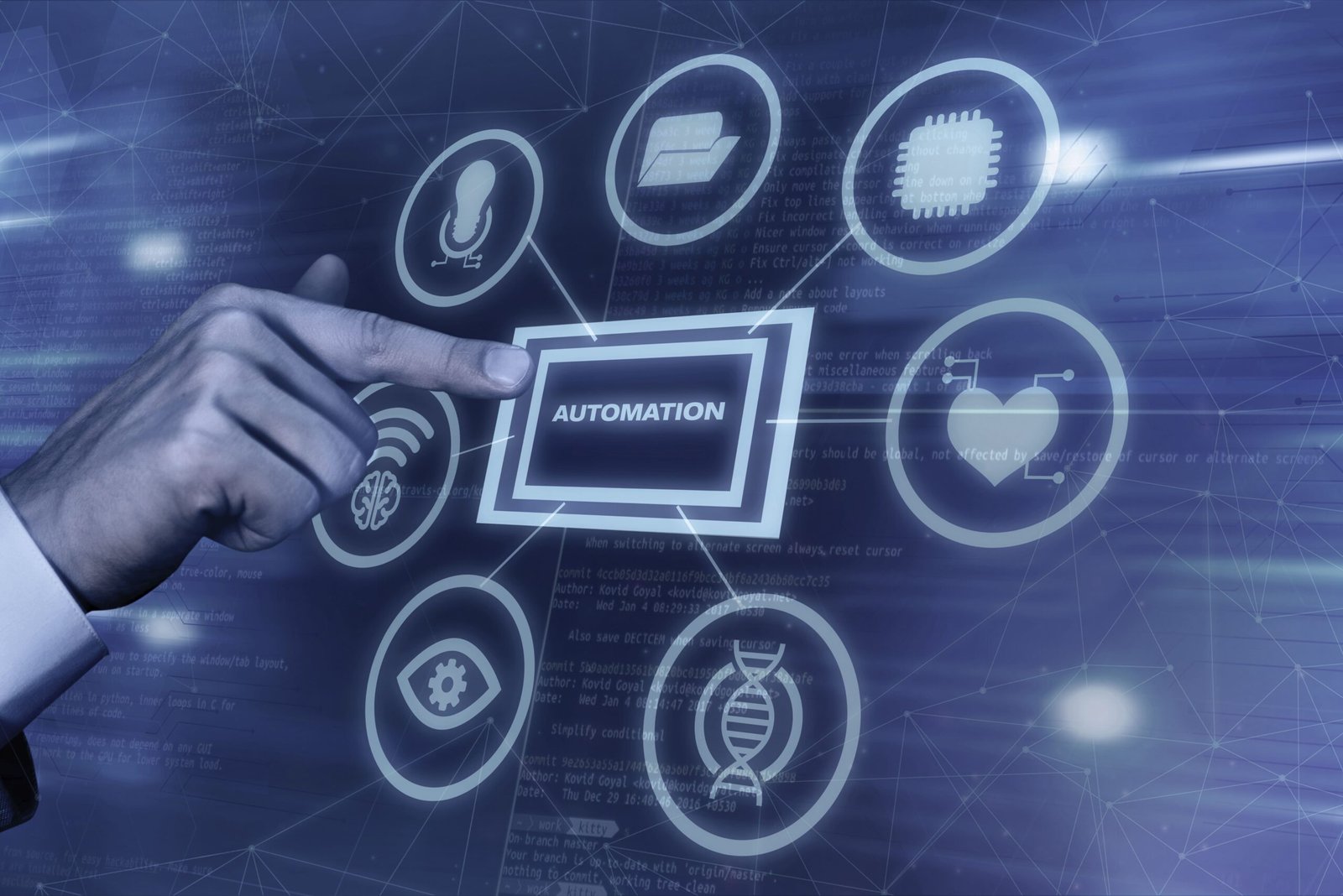
Automation is central to the future of work. It allows companies to streamline workflows, enhance accuracy, and reduce operational overheads. Intelligent workforce solutions integrate robotic process automation (RPA) and AI to handle repetitive tasks, freeing human employees to focus on creative, strategic, and high-value responsibilities. In the future of work, businesses that balance human potential and machine efficiency will lead their industries with innovation and impact.
Upskilling and Lifelong Learning
To prepare for the future of work, continuous learning is no longer optional—it is essential. Workforce solutions now include upskilling and reskilling programs designed to enhance digital, analytical, and leadership competencies.
Globalization and Talent Mobility

The future of work transcends borders, creating a truly global talent ecosystem. Remote work has opened access to international talent pools, allowing companies to find the right skills regardless of geography. Global collaboration encourages cultural exchange, creativity, and stronger problem-solving across organizations.
The future of work is being defined by the increasing interconnectedness of people, technology, and opportunities across borders. As industries evolve at an unprecedented pace, companies are no longer confined by geographical boundaries when seeking skilled professionals. Instead, they are embracing a global approach to hiring, fostering an environment where talent mobility and remote work drive innovation, efficiency, and diversity. This transformation is not merely a trend—it represents a fundamental shift in how work is structured, managed, and valued worldwide.
One of the most significant impacts of globalization is the ability of organizations to tap into international talent pools. Businesses that once relied on local hiring are now able to recruit top professionals from anywhere in the world. The rise of digital collaboration tools, cloud-based platforms, and advanced communication technologies has made this transition seamless. Teams located in different time zones can now collaborate in real-time, share ideas, and execute projects without ever meeting in person. This global connectivity allows companies to assemble diverse teams that bring a variety of perspectives, cultural insights, and problem-solving approaches—key ingredients for innovation in the modern economy.
Talent mobility has become a strategic advantage for both employers and employees. For it opens doors to opportunities that were once limited by geography. Engineers in India, designers in Europe, and marketing specialists in the Middle East can now work together on the same project, creating a dynamic and inclusive professional landscape. This global exchange of knowledge and expertise enriches industries and strengthens the overall economy.
Moreover, the growing emphasis on remote and hybrid work models has changed how companies think about talent retention and engagement. The future of work is no longer about where employees are located but how effectively they contribute. Forward-thinking organizations are prioritizing employee well-being, flexibility, and continuous learning over traditional office-based systems. This shift encourages employees to take charge of their careers, pursue development opportunities, and collaborate across borders without the constraints of relocation or visa restrictions.
The cultural diversity resulting from global collaboration also enhances creativity and innovation. Teams composed of individuals from different cultural and educational backgrounds tend to approach problems from multiple angles. This diversity of thought leads to better decision-making and more innovative solutions. Companies that encourage open communication and respect for cultural differences are more likely to thrive in the global marketplace. Furthermore, exposure to international colleagues helps employees develop cultural intelligence—a skill increasingly valued in the modern workplace.
However, the rise of globalization and talent mobility also introduces new challenges. Managing remote teams across time zones requires strong leadership, clear communication, and effective technology infrastructure. Companies must establish transparent policies on work hours, performance measurement, and cross-cultural collaboration. Additionally, organizations need to invest in cybersecurity and data protection measures to ensure that remote operations remain secure. Addressing these challenges is essential to maintaining trust and productivity in a globally distributed workforce.
The education and training sectors are also adapting to the demands of the global workforce. As the future of work evolves, professionals must continuously upgrade their skills to stay relevant. Lifelong learning, upskilling, and reskilling programs are becoming vital components of career growth. Many organizations are partnering with international universities and online learning platforms to offer employees access to global education resources. This approach not only strengthens the talent pipeline but also prepares workers for emerging roles in technology, data science, renewable energy, and digital transformation.
Governments and policymakers are beginning to recognize the importance of facilitating international labor mobility. By simplifying visa processes, supporting digital nomad programs, and promoting global labor agreements, countries can attract top talent and foster economic growth. Additionally, fair labor practices, equal pay standards, and inclusive workplace policies are becoming global priorities. The collaboration between public and private sectors in shaping work policies is crucial to ensuring that globalization benefits everyone, not just a select few.
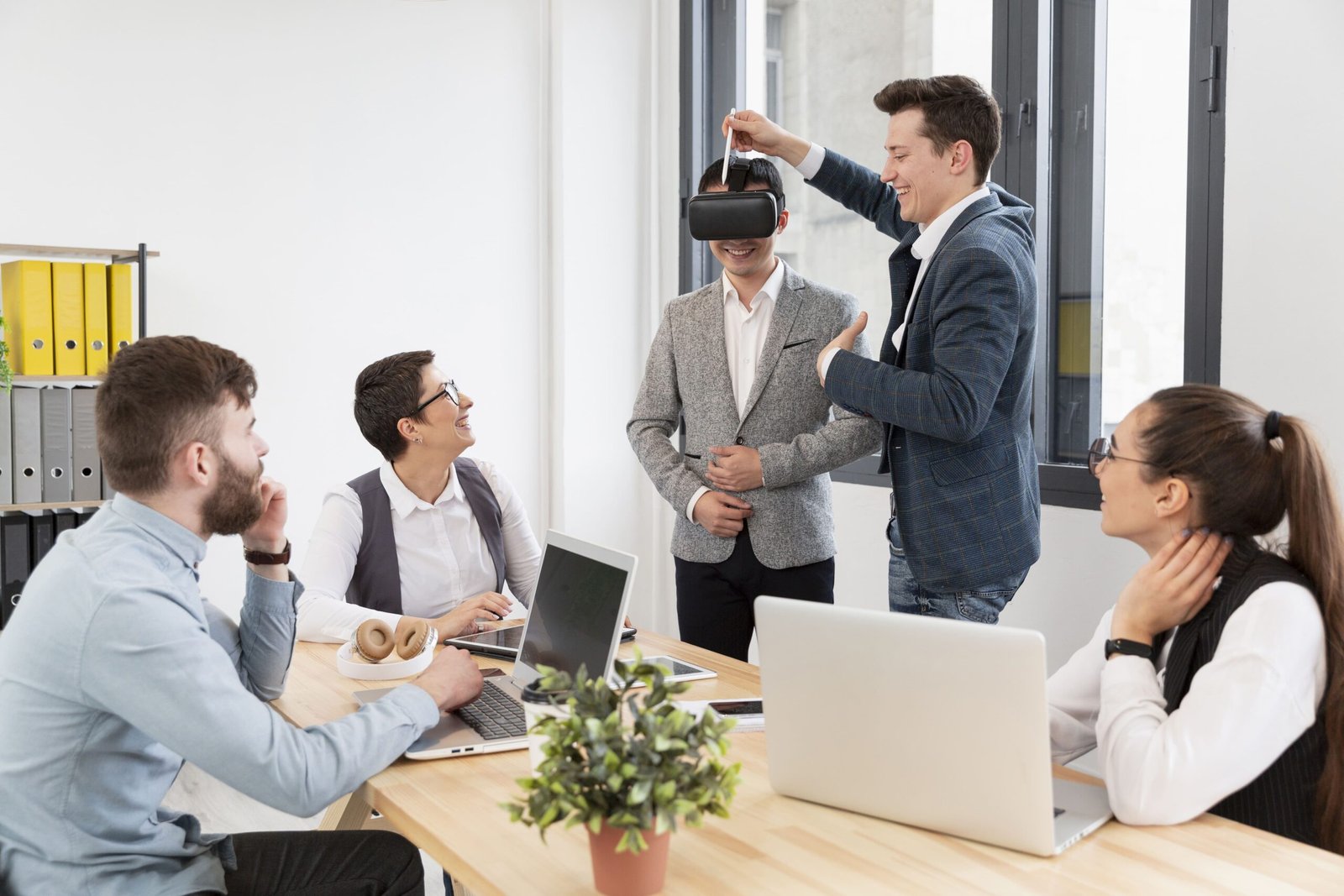
Technology remains at the core of this transformation. Artificial intelligence, automation, and digital collaboration tools are enabling organizations to operate more efficiently and inclusively. For example, AI-driven recruitment systems help identify the best candidates from across the globe, while virtual reality tools are enhancing remote training and onboarding experiences. The integration of technology into human resource management is creating smarter, data-driven approaches to hiring and performance evaluation. As a result, organizations can make informed decisions while fostering transparency and inclusivity.
Another key aspect shaping the future of work is the focus on sustainability and social responsibility. Companies are no longer measured solely by financial success but also by their contribution to society and the environment. Global collaboration allows organizations to share best practices in sustainability, promote ethical supply chains, and ensure that workers worldwide are treated fairly. Talent mobility contributes to this vision by enabling professionals to bring their values, skills, and experiences to organizations that prioritize purpose-driven work.
Furthermore, the next generation of workers—millennials and Gen Z—are driving the demand for flexible, meaningful, and globally connected careers. They value experiences over job titles and seek employers who support diversity, equity, and inclusion. The future of work will revolve around organizations that can meet these expectations while maintaining productivity and competitiveness. By fostering a culture of trust, empowerment, and innovation, businesses can attract and retain top global talent.
In conclusion, globalization and talent mobility are not just reshaping how people work—they are redefining what work means. The boundaries between nations, cultures, and time zones are fading, giving rise to a truly borderless workforce. The future of work will depend on how effectively organizations harness this potential, ensuring inclusivity, sustainability, and continuous growth. By embracing global talent, fostering cultural understanding, and leveraging technology, companies can build resilient and forward-looking workforces prepared for the challenges and opportunities of a connected world.
Agile Workforce Strategies
Businesses must evolve quickly in response to shifting market conditions, consumer demands, and technological trends. Workforce solutions that support flexible staffing—such as project-based hiring and contingent workforce models—allow organizations to remain adaptable. In the furure of work, agility is not just operational—it represents a mindset that embraces change as a constant.
Employee Well-being and Mental Health

Companies that integrate wellness programs, flexible work hours, and psychological support see improved morale and sustained performance. In the furure of work, well-being is viewed as a shared responsibility between employers and employees, forming a culture built on trust, care, and engagement. A healthy workforce leads to healthier business outcomes.
Sustainability and Corporate Responsibility
Sustainability is transforming the future of work by aligning business practices with environmental and social impact goals. Workforce solutions now encourage remote collaboration that reduces carbon emissions, paperless workflows that minimize waste, and green workplace initiatives that contribute to broader sustainability targets. In the future of work, corporate responsibility is not only a moral obligation but also a powerful driver of recruitment, retention, and customer loyalty.
Leadership Transformation

Leadership in the future of work requires empathy, innovation, and adaptability. The traditional top-down approach is being replaced by collaborative, people-first leadership that prioritizes trust and transparency. Workforce solutions help build modern leaders through mentorship programs and continuous feedback systems. Successful leaders of the future of work understand how to inspire teams remotely, use data to guide strategy, and cultivate inclusive cultures where every voice matters. This new leadership style strengthens engagement and innovation in a connected, digital-driven landscape.
Leadership in the future of work is undergoing a profound transformation. As organizations adapt to global shifts in technology, culture, and workforce expectations, the qualities that define effective leaders are changing dramatically. The traditional model of leadership—built on hierarchy, authority, and control—is giving way to a new era of empathetic, adaptable, and collaborative leadership. In this emerging landscape, leaders are not just decision-makers; they are visionaries, mentors, and enablers of innovation. They create environments where people feel valued, empowered, and motivated to achieve collective goals.
Empathy is now recognized as a cornerstone of successful leadership in the future of work. It enables leaders to understand the diverse experiences and needs of their teams, fostering stronger relationships and trust. In an environment where employees may be working remotely or facing personal and professional challenges, empathetic leadership ensures that individuals feel seen and supported. Leaders who demonstrate empathy can inspire greater engagement, loyalty, and collaboration, which directly impacts organizational success.
Innovation is another defining trait of modern leadership. In a rapidly changing business world, leaders must embrace creativity and continuous learning to stay ahead. They must encourage experimentation, tolerate calculated risks, and view failure as an opportunity for growth. The best leaders are those who create a culture of innovation, where employees are encouraged to share ideas freely and challenge conventional thinking. By nurturing a growth mindset, leaders help their teams adapt to disruption and identify new opportunities for improvement and expansion.
Adaptability is equally critical in the evolving workplace. The pace of technological advancement, economic fluctuation, and social change demands that leaders be flexible and open-minded. Rigid leadership models are no longer effective in a world where change is constant. Adaptive leaders are comfortable navigating uncertainty and guiding their teams through transformation. They recognize when to pivot strategies, adopt new technologies, or redefine organizational priorities to align with shifting market conditions.
The future of work also calls for data-driven leadership. Modern leaders must understand how to leverage data and analytics to make informed decisions, enhance performance, and improve employee experience. Data allows leaders to identify patterns, predict outcomes, and allocate resources efficiently. However, effective leadership requires balancing data insights with human judgment. Leaders must use data not only to guide strategy but also to understand their people better—tracking engagement, well-being, and growth trends to create more responsive and personalized work environments.
Collaboration has become a defining feature of successful leadership in the digital age. Rather than exercising authority through rigid hierarchies, contemporary leaders are empowering teams to collaborate across functions and levels. They encourage open dialogue, cross-departmental communication, and shared accountability. This approach fosters innovation and agility, enabling organizations to respond quickly to emerging challenges. Leaders who promote collaboration help create inclusive cultures where every voice contributes to success.
Inclusivity, in particular, is a powerful driver of engagement and innovation. Leaders in the future of work must prioritize diversity, equity, and inclusion as fundamental principles of organizational culture. Inclusive leaders ensure that individuals from different backgrounds, experiences, and perspectives are not only represented but also valued. They build trust by creating safe spaces for open communication, addressing bias, and ensuring fair opportunities for all. A truly inclusive culture enhances creativity, improves problem-solving, and strengthens overall organizational resilience.
Continuous learning and mentorship are also central to leadership transformation. The most effective leaders are those who invest in developing others. They act as mentors, guiding employees to achieve personal and professional growth. Organizations that implement mentorship programs and continuous feedback systems are better positioned to nurture the next generation of leaders. Feedback-driven cultures help employees understand their strengths, address weaknesses, and align their goals with organizational objectives. This cycle of learning and improvement ensures sustainable growth for both individuals and the company.
Technology is another key factor shaping leadership transformation. With digital tools redefining how teams interact, leaders must be technologically fluent. Virtual collaboration platforms, artificial intelligence,https://www.britannica.com/technology/artificial-intelligence and automation have become integral parts of modern management. Leaders need to understand how to leverage these tools to enhance productivity, communication, and innovation. However, technology should complement—not replace—the human element of leadership. Successful leaders use technology to support connection, streamline processes, and empower teams, all while maintaining a people-first approach.
The concept of trust has taken center stage in the modern workplace. As employees gain greater autonomy and flexibility, leaders must focus on building trust-based relationships rather than relying on control or surveillance. Trust fosters accountability, encourages creativity, and strengthens team cohesion. Transparent communication, fairness, and consistency are the building blocks of trust in leadership. Leaders who communicate openly about goals, challenges, and expectations create a sense of shared purpose and alignment across teams.
Leadership transformation also involves redefining success metrics. Traditional measures such as output and efficiency are now complemented by new indicators like engagement, innovation, and well-being. Leaders who prioritize holistic success—balancing performance with employee satisfaction—are better equipped to sustain long-term organizational health. By creating psychologically safe workplaces, they enable employees to bring their authentic selves to work, leading to higher motivation and better collaboration.
As leadership evolves, organizations must actively prepare and support their leaders for the future of work. This preparation includes leadership development programs that emphasize emotional intelligence, resilience, and cultural competence. It also involves promoting flexibility in leadership styles to accommodate different situations and teams. The future will favor leaders who can combine strategic vision with compassion, leveraging both human and technological capabilities to drive results.
In conclusion, leadership transformation is the foundation of success in the evolving global workplace. As technology advances and workforce dynamics shift, organizations must cultivate leaders who embody empathy, adaptability, innovation, and inclusivity. These qualities are essential for navigating the challenges and opportunities that lie ahead. The future of work will belong to leaders who inspire trust, embrace diversity, and guide their teams with both vision and humanity. By fostering a culture of collaboration and continuous learning, they will shape workplaces that thrive in a connected, digital-driven world.
The Power of Data in Decision-Making
In the future of work, data-driven intelligence enables companies to act proactively, reduce risks, and maximize human potential. The ability to translate insights into impact sets future-ready businesses apart from competitors.
Human Potential in the Digital Era

At its heart, the future of work is about empowering people. While technology, automation, and AI continue to revolutionize industries, human creativity, emotional intelligence, and empathy remain irreplaceable assets. Workforce solutions that combine digital innovation with human-centered design create workplaces that are resilient and forward-thinking. In the future of work, the harmony between people and technology defines true progress—where organizations embrace innovation without losing sight of the human spirit that drives it.