

Skill-first hiring: beyond resumes, toward results
In today’s dynamic talent landscape, organizations are redefining what it means to hire effectively. Traditional recruitment models that focus heavily on degrees, titles, and experience are giving way to a more progressive approach—Skill-first hiring. This shift is transforming how employers identify, evaluate, and engage with talent. It’s no longer about what candidates have done in the past, but what they can do now and in the future.
Skill-first hiring emphasizes proven capability over credential. It acknowledges that the best people for a role are not always those with the longest resumes or the most prestigious qualifications. Instead, it focuses on measurable skills, relevant competencies, and tangible results. In a world where industries evolve rapidly and new technologies reshape job requirements overnight, Skill-first hiring is the foundation for building adaptive, future-ready teams.
The evolution of recruitment

For decades, hiring decisions were largely based on education, career history, and references. Recruiters relied on resumes as the primary filter, often overlooking candidates who lacked traditional credentials but possessed the exact skills needed to succeed. However, as digital transformation accelerates, the limitations of resume-based hiring have become more evident.
Skill-first hiring emerged in response to this challenge. It prioritizes skills assessments, real-world performance, and portfolio evaluation over formal qualifications. This approach not only broadens access to opportunity but also helps businesses tap into diverse, previously underutilized talen pools. Employers can now assess what truly matters: a candidate’s ability to perform, learn, and adapt.
Why Skill-first hiring matters
Skill-first hiring is more than a trend; it’s a strategic necessity. As automation, artificial intelligence, and remote work redefine the professional landscape, skills become the currency of success. Companies adopting a skill-first mindset are better positioned to respond to change, innovate faster, and create value through talent agility.
One of the biggest advantages of Skill-first hiring is improved job performance. By aligning candidates’ actual capabilities with specific job needs, organizations reduce the risk of mismatched roles. Employees hired for their skills tend to be more productive, engaged, and aligned with workplace demands. They also bring creative perspectives shaped by alternative learning paths, such as online certifications, boot camps, or hands-on experience rather than formal degrees.
Inclusivity is another critical outcome. Skill-first hiring opens doors for individuals from nontraditional backgrounds—career switchers, freelancers, self-taught professionals, and those who may have been overlooked by degree-based filters. This helps companies build richer, more diverse teams that reflect real-world talent diversity.
How Skill-first hiring strengthens business outcomes

Adopting Skill-first hiring practices drives tangible business results. Companies that recruit based on skills rather than credentials report faster hiring times, higher retention rates, and increased employee satisfaction. Here’s how it translates into measurable impact:
-
Efficiency in hiring: Skill-first recruitment cuts through the noise of qualifications and prioritizes practical abilities. This leads to quicker, more confident hiring decisions.
-
Reduced turnover: When employees are chosen based on relevant skills, they are more likely to perform well and stay longer, reducing costs associated with frequent rehiring.
-
Enhanced innovation: A workforce built through Skill-first hiring is dynamic and capable of adapting to changing market conditions. This fuels creativity and innovation.
-
Better ROI in training: Organizations can reskill and upskill employees more effectively when they have a clear understanding of existing skill sets and gaps.
Implementing Skill-first strategies
Building a Skill-first hiring framework involves more than just tweaking job descriptions. It requires a cultural and structural shift across the recruitment process.
-
Define clear skill requirements: Instead of listing years of experience or generic qualifications, job postings should outline specific skills, tools, and capabilities essential for success.
-
Use skill-based assessments: Incorporate simulations, practical tests, or project tasks that give candidates an opportunity to demonstrate competence.
-
Leverage technology: AI-driven platforms and digital assessment tools can analyze candidate skills efficiently and match them accurately to job profiles.
-
Train recruiters and hiring managers: Equip HR teams with the knowledge to evaluate skills objectively, interpret test results, and look beyond the resume.
-
Create skill benchmarks: Build internal frameworks that define the core and advanced skills required across roles. This ensures standardization and fairness during assessment.
The role of technology in Skill-first hiring

Technology plays a pivotal role in enabling Skill-first hiring at scale. From AI-based assessment tools to data-driven talent analytics, digital platforms are helping organizations eliminate bias and make smarter decisions. By analyzing candidate performance data, employers gain accurate insights into potential, cultural fit, and upskilling opportunities.
Moreover, Skill-first hiring platforms often integrate learning systems, allowing continuous skill development after hiring. This creates an ecosystem where recruitment, learning, and performance seamlessly connect—resulting in a sustainable talent pipeline.
The future of work is skill-driven
As companies navigate the future of work, Skill-first hiring will become the backbone of effective workforce planning. Global labor markets are shifting toward project-oriented, skill-based economies where adaptability and problem-solving outperform formal qualifications. Employers focusing on capabilities rather than backgrounds will be better equipped to flourish.
Governments, educational institutions, and industries are also recognizing the need to align skill-building with real job demands. Micro-credentials, modular learning, and competency-based certifications are redefining what career readiness looks like. In this environment, Skill-first hiring ensures that talent acquisition stays aligned with evolving realities.
Moving beyond resumes

The traditional resume will not disappear overnight, but its dominance is declining. Employers increasingly recognize that a document listing past roles cannot fully capture potential. Skill-first hiring replaces assumptions with evidence. It evaluates what people can contribute today, not merely what they’ve done before.
The traditional resume will not disappear overnight, but its dominance is declining. Employers increasingly recognize that a document listing past roles cannot fully capture potential. Skill-first hiring replaces assumptions with evidence. It evaluates what people can contribute today, not merely what they have done before. This marks a fundamental shift in recruitment philosophy—one that values capability over credential and performance over pedigree.
The problem with resume-based hiring
For generations, the hiring process revolved around the resume. It served as a summary of someone’s education, work history, and achievements. Recruiters reviewed these documents, shortlisted candidates, and relied on interviews to fill in the details. While this system worked in a slower, more predictable labor market, it now falls short in an environment defined by constant innovation and skill disruption.
Resumes tend to reward those who follow traditional career paths. They emphasize job titles instead of real-world ability, years of experience instead of up-to-date knowledge, and degrees instead of practical competency. In effect, resumes overlook countless professionals who have gained their skills through alternative routes such as self-learning, online courses, internships, freelancing, or bootcamps.
Skill-first hiring breaks that pattern. It examines what candidates can actually do rather than what their documents claim. By focusing on verified skills and demonstrated performance, it closes the gap between potential and opportunity.
The rise of Skill-first hiring in modern organizations

Skill-first hiring has gained remarkable momentum as technology, globalization, and remote work reshape how companies approach talent acquisition. The rapid pace of change means organizations must continuously fill roles that did not exist a few years ago. Traditional hiring criteria can no longer keep up with evolving job requirements. Employers now need professionals who can adapt quickly, think critically, and upskill continuously.
Leading companies have started using Skill-first hiring platforms and skill-based assessments to identify capable candidates. They evaluate applicants through online challenges, role simulations, portfolio reviews, and data-driven analytics rather than by scanning resumes. This not only speeds up hiring decisions but also ensures higher accuracy in selecting candidates who can perform from day one.
Skill-first hiring also supports inclusion. By removing rigid filters like degree qualifications or brand-name employers, organizations open their doors to people from diverse backgrounds. Talent that was once overlooked now gains fair visibility based on measurable skills.
The advantages of adopting Skill-first hiring
Organizations that implement Skill-first hiring often experience several transformative benefits:
-
Improved job performance: Candidates selected based on relevant skills deliver stronger results since they match well with job expectations.
-
Reduced time-to-hire: Objective assessments help recruiters quickly identify the most capable applicants, cutting down recruitment time.
-
Higher retention: Employees who are hired based on skills rather than credentials tend to stay longer because they genuinely fit their roles.
-
Cost efficiency: Skill-first hiring minimizes mismatched hires, reducing the financial losses associated with employee turnover.
-
Enhanced diversity: This approach attracts candidates from various industries, educational paths, and cultural backgrounds, enriching workplace creativity.
practical steps to implement Skill-first hiring
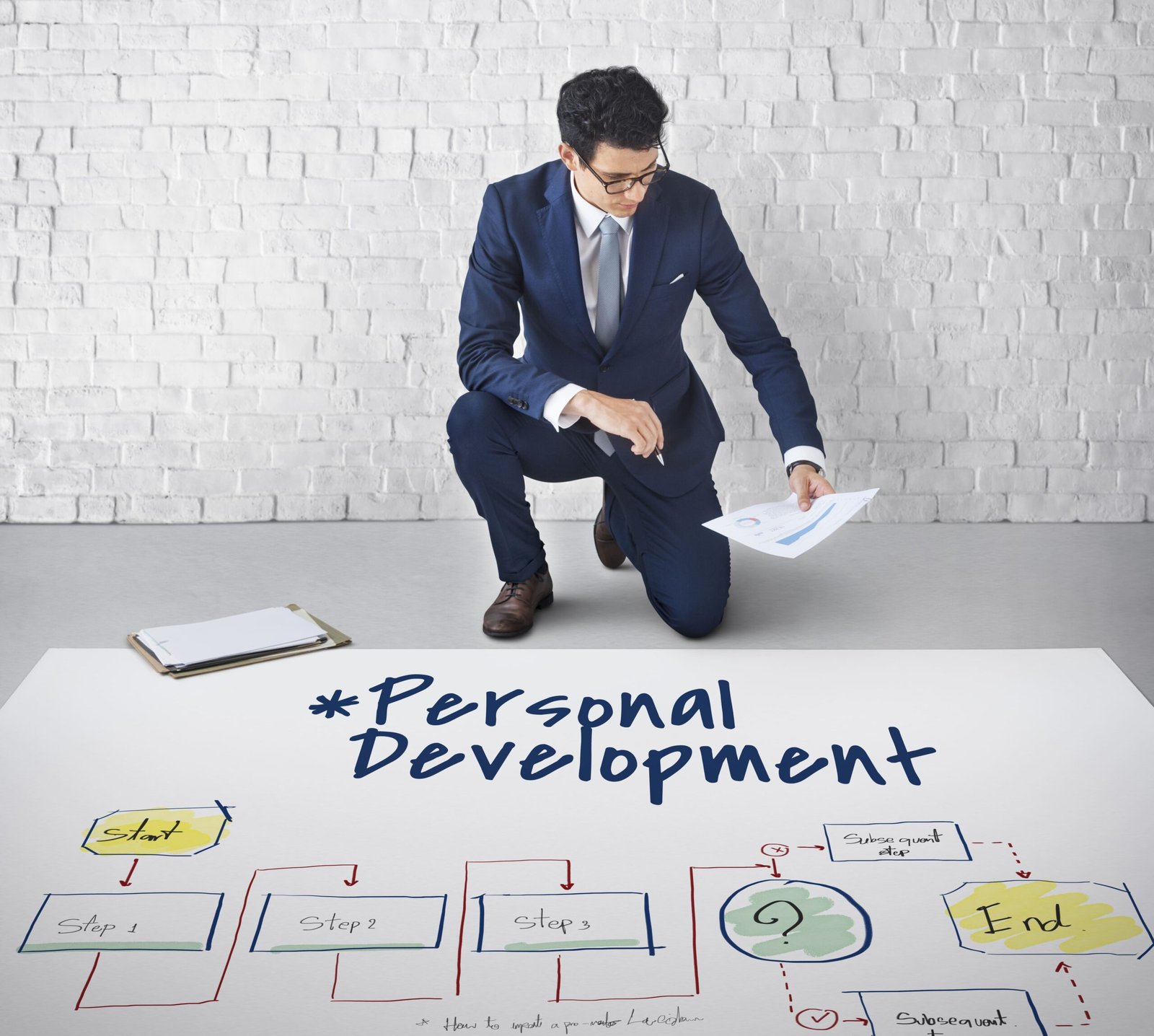
Transitioning to Skill-first hiring requires a well-structured recruitment framework. It involves redefining how organizations identify requirements, assess applicants, and make hiring decisions.
-
Redefine job roles. Focus descriptions on capabilities rather than experience. Specify technical, interpersonal, and analytical skills needed to excel in the job.
-
Introduce skill assessments. Replace traditional CV screening with practical exercises that mirror real workplace situations.
-
Use data to guide decisions. Analyze performance metrics instead of relying on subjective impressions during interviews.
-
Train recruitment teams. Equip hiring managers to interpret skill data and approach candidate evaluation with objectivity.
-
Invest in technology. Leverage AI-powered platforms that automate assessment scoring and identify top-performing candidates efficiently.
How technology enhances the Skill-first hiring process
Artificial intelligence and digital tools have revolutionized Skill-first hiring. These technologies remove human bias and improve transparency in the selection process. AI can analyze thousands of applicant responses, portfolio samples, and skill tests in minutes, delivering accurate insights about each candidate’s strengths and readiness for the role.
Data analytics also helps organizations predict future performance by comparing candidate scores with benchmarks tied to successful employees. Moreover, the integration of learning management systems ensures continued skill growth post-hire, creating a seamless connection between recruitment, training, and retention.
Skill-first hiring tools often feature dashboards that visualize candidate capability across multiple dimensions—critical thinking, teamwork, adaptability, and technical knowledge—allowing decision-makers to compare talent objectively. This data-driven approach creates consistency and fairness across departments.
Real-world examples and impact

Across industries, Skill-first hiring is proving to be more than a theoretical concept. Technology companies, healthcare providers, and creative agencies now prefer practical task-based screening. For instance, rather than judging a software developer by resume length or past employer, recruiters offer coding challenges that reflect real projects. Similarly, marketing firms request strategy presentations to assess communication and analytical skills.
The result is a more accurate view of a candidate’s true value. Businesses adopting Skill-first hiring often report up to 30 percent faster recruitment and higher employee engagement, as individuals feel appreciated for what they can do, not merely where they have worked.
The future workforce and skill evolution
The demand for adaptable skills will continue to grow. Emerging roles in artificial intelligence, sustainability, cybersecurity, and data analytics demonstrate how quickly job functions evolve. Organizations that base hiring decisions solely on outdated resumes will struggle to stay competitive. Skill-first hiring ensures that the workforce remains flexible and future-ready.
Additionally, employees benefit from this model by having equal access to professional growth. When companies recognize skills as the primary currency of employment, individuals are motivated to continuously upskill, re-skill, and explore new learning paths.
Moving beyond the paper trail

Ultimately, Skill-first hiring represents a profound change in how talent is valued. Employers no longer ask, “Where have you worked?” but instead, “What can you do, and how can you grow with us?”
While resumes will still exist as reference documents, they will serve a more limited role—supplementary rather than central. The real measure of employability will rest on the demonstration of capabilities, creativity, and learning potential. Skill-first hiring connects opportunity with merit, ensuring that the right people fill the right roles based on their actual performance.
The shift from resume-centric recruiting to Skill-first hiring is not a passing trend; it is the future of workforce development. As industries continue to evolve, organizations that embrace this approach will be better positioned to thrive, innovate, and sustain long-term success.
benchmarks to identify top candidates.
Modern recruitment software integrates skill assessments directly into application workflows. For example, coding challenges, design simulations, communication tests, or sales roleplays allow candidates to demonstrate their strengths early in the process. Hiring managers then receive data-driven performance reports, reducing bias and improving hiring accuracy.
AI-assisted tools also uncover adjacent skills—competencies a candidate may possess that are transferable to other roles. This gives companies greater talent mobility and helps them redeploy employees effectively as business needs evolve. With Skill-first hiring, talent management becomes proactive and predictive.
The limits of resume-based hiring
For decades, resumes acted as the cornerstone of recruitment. They offered a standardized way for employers to assess education, years of experience, job titles, and career progression. While that system served its purpose in a slower, more predictable economy, it is increasingly outdated in a fast-changing digital world. Today’s workforce thrives in fields defined by innovation, adaptability, and continuous learning—traits that cannot be measured through a static document.
Redefine job descriptions. Replace generic requirements like “five years of experience” with clear skill expectations such as “proficiency in data visualization” or “ability to manage client relationships.”
Introduce skill assessments. Use practical tests or simulation projects that mirror real job challenges. These exercises offer evidence of ability and problem-solving approach.
Train hiring teams. Recruiters and managers must learn how to interpret skill-based results and prioritize data-backed insights over career history.
Build internal skill databases. Catalog employee skills across the organization to identify areas of strength and skill gaps. This data can guide hiring and training decisions.
Use continuous learning as a metric. The most valuable candidates are those committed to upskilling. Recognize certifications, online learning, and personal projects as evidence of growth.
The business impact of Skill-first hiring
Skill-first hiring delivers measurable benefits for organizations determined to compete in modern markets. Studies consistently show that focusing on skills improves job fit, accelerates time-to-hire, and boosts retention. Employees are more engaged when their core strengths align with their daily work.
From a financial perspective, Skill-first hiring reduces hiring costs by minimizing mismatches and turnover. It also shortens recruitment cycles since employers spend less time verifying credentials and more time evaluating performance.
Culturally, this approach fosters transparency and equity. Candidates feel valued for what they can truly do, rather than where they’ve worked or studied. This strengthens employer reputation and boosts motivation among employees who see that advancement is based on demonstrated ability.
Skill-first hiring breaks that pattern. It examines what candidates can actually do rather than what their documents claim. By focusing on verified skills and demonstrated performance, it closes the gap between potential and opportunity.
In the near future, organizations will likely blend technology, data, and human insight to evaluate skills holistically. Resumes may still exist as supplementary context, but they will no longer define eligibility. Skill-first hiring will replace outdated measures with evidence-based decisions, leading to more capable, diverse, and future-ready workforces.
Improved job performance: Candidates selected based on relevant skills deliver stronger results since they match well with job expectations.
Ultimately, the focus of recruitment is shifting from what someone has done to what they can achieve. Skill-first hiring encapsulates that vision—an equitable, efficient, and performance-driven approach that acknowledges talent for what it truly is: the ability to deliver results, solve problems, and evolve continuously in an ever-changing world.
.