

Why Am I Not Getting Interview Calls Even After Applying to Many Jobs?
Not receiving interview calls despite applying to numerous jobs is a common frustration for many job seekers. Several key factors can contribute to this issue, including CV mistakes, sending generic applications, applying to the wrong roles, ATS (Applicant Tracking System) filters, and lack of recruiter guidance to target effectively.
Many job seekers wonder, “Why am I not getting interview calls even after applying to many jobs?” The reasons often stem from various factors beyond just applying widely. Common issues include CV mistakes, sending generic applications, applying for roles that don’t match your skills, ATS (Applicant Tracking System) filters, and ineffective targeting strategies.
CV mistakes like poor formatting, lack of keywords, or not highlighting relevant accomplishments can prevent your application from passing initial screening. Sending generic applications without tailoring them to each role significantly reduces your chances, as employers prefer candidates who demonstrate specific interest and fit. Additionally, applying for roles that are either too high or too low for your experience level may lead to rejection because recruiters look for applicants with the right qualifications for the position.
ATS filters play a crucial role in the initial screening process. If your CV does not include relevant keywords or is not ATS-friendly in formatting, it can be automatically rejected before reaching a recruiter. Ensuring your resume is optimized for ATS involves using proper formatting, including keywords from the job description, and avoiding complex layouts.
How recruiters can guide better targeting involves providing clear guidance on skills, experience, and role fit. They can advise candidates on tailoring resumes, focusing on suitable roles, and optimizing applications for ATS. Building a network within the industry and seeking feedback from recruiters also enhances your application strategy, increasing the likelihood of securing interview calls.
Addressing these issues—by refining resumes, personalizing applications, applying for roles aligned with your skills, and leveraging recruiter guidance—can substantially improve your chances of receiving interview calls and advancing your job search effectively.
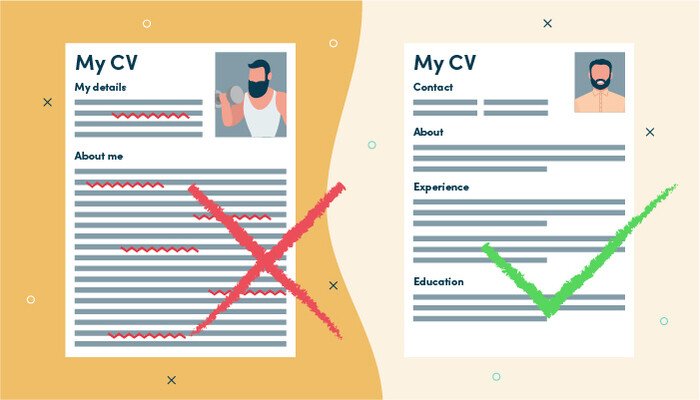 CV Mistakes:
One of the biggest reasons candidates do not receive interview calls is due to errors or omissions in their CVs. Resumes that are unclear, contain grammatical mistakes, or fail to highlight relevant accomplishments instead of mere responsibilities often fail to capture recruiter interest. Additionally, not tailoring the CV to match the keywords and qualifications listed in the job description can lead to rejection, especially when ATS software automatically filters applications based on keyword matches.
CV mistakes are a major reason why candidates do not receive interview calls. One of the key issues is that resumes often contain errors or omissions that reduce their effectiveness. For example, unclear formatting, spelling or grammatical mistakes, and failing to highlight relevant accomplishments rather than just listing responsibilities can make a CV unappealing to recruiters. Additionally, not tailoring the CV to align with the keywords and qualifications specified in the job description significantly lowers the chances of progressing to interview calls. Hiring managers and ATS (Applicant Tracking System) software look for specific terms to match candidates to job requirements, so generic or mismatched CVs are frequently filtered out before human eyes even see them.
Other common CV mistakes include:
-
Using overly complex layouts or fonts that ATS may not read properly.
-
Including irrelevant skills without evidence of how they were demonstrated.
-
Providing inconsistent information such as varying date formats or unclear job titles.
-
Omitting contact information or including unprofessional email addresses.
Because recruiters spend only a few seconds scanning each CV, it is critical that your resume quickly communicates your value and suitability for the role. Tailoring your CV with relevant keywords, clear formatting, and concise accomplishment-focused bullet points can help you stand out and increase the likelihood of securing interview calls. Reviewing and refining your CV regularly, possibly with expert feedback, will improve its appeal and effectiveness significantly.
1. Spelling and Grammar Errors
One of the most common CV mistakes that significantly impact your chances of getting interview calls is bad spelling and poor grammar. Recruiters and ATS software quickly filter out applications with typos, grammatical mistakes, or poorly structured sentences, viewing them as signs of carelessness or lack of professionalism. Use tools like Grammarly or ask someone to proofread your CV to eliminate errors and ensure clarity.
2. Unprofessional Fonts and Formatting
Using unprofessional fonts or colors can make your CV difficult to read and appear unpolished. Stick to clean, standard fonts like Arial or Times New Roman and keep the font size between 10-12 points. Consistent formatting throughout the document—such as uniform bullet points, headings, and spacing—also helps your CV look organized and appealing.
3. Irrelevant or Too Much Personal Information
Including unnecessary details such as hobbies unrelated to the job or personal details like marital status, religion, or age can detract from your professionalism. Focus on relevant skills, experience, and achievements that relate directly to the role you’re applying for.
4. Not Tailoring the CV to the Role
A generic CV that doesn’t incorporate keywords from the job description often fails ATS filters and recruiter scrutiny. Tailoring your CV by highlighting the specific skills, experiences, and keywords related to the role increases your chances of interviews calls. Use the language and keywords from the job listing to make your CV ATS-friendly.
5. Poorly Ordered Content and Unexplained Gaps
A disorganized CV with chronological inconsistencies or unexplained gaps can raise red flags. List your experience in reverse chronological order, emphasizing your most recent and relevant roles first. If there are gaps, briefly explain them, especially if they include further education or personal reasons.
6. Lengthy or Vague Descriptions
Keep your CV concise and focused. Long-winded descriptions or vague statements about responsibilities do not add value. Instead, focus on specific accomplishments using quantifiable metrics whenever possible to demonstrate your impact.
 Generic Applications:
Applying to many jobs with a generic resume or cover letter reduces the chances of getting noticed. Employers look for candidates who demonstrate specific interest and alignment with the role. Tailoring each application to highlight how your skills and experiences fit the job requirements increases the likelihood of making it through screening and receiving interview calls.
A major factor contributing to the low rate of interview calls is the presence of CV mistakes that may cause your application to be overlooked or rejected. Common CV errors include poor formatting, grammatical errors, and failure to highlight key accomplishments relevant to the job. Additionally, not tailoring your CV to match the specific keywords and requirements listed in the job description can significantly reduce your chances, especially when ATS (Applicant Tracking System) software filters applications based on keyword matches.
Many candidates send out generic applications without customizing their resumes or cover letters for each role. This approach dilutes the relevance and appeal of the application, making it less likely to catch the eye of recruiters. Employers are more inclined to respond to applications that demonstrate clear interest, tailored skills, and specific understanding of the role they are hiring for. According to recent statistics, candidates who customize their applications have a higher likelihood of getting interview calls because they appear more focused and suitable for the position.
Furthermore, applying for roles that do not align well with your skills and experience can also be detrimental. When you apply for roles outside your expertise or too senior/ junior for your experience, recruiters often filter out your application as unsuitable, leading to fewer interview calls.
Optimizing your resume for ATS—by including relevant keywords, keeping formatting simple, and aligning your skills with the job description—can significantly improve your chances of passing initial screening and receiving interview calls. Lastly, seeking feedback from recruiters and industry experts can better guide how to target your applications effectively, ensuring that your resume reaches the decision-makers and increases your probability of success.
-
Using the Same Resume for Every Job Application
Applying with a generic resume across multiple jobs is a significant mistake. Recruiters can instantly recognize when candidates do not tailor their applications to the specific role, signaling a lack of genuine interest or effort. -
Ignoring Job Description Keywords
Generic applications often fail to include the keywords and skills mentioned in the job posting. This reduces compatibility with ATS filters and lowers chances of making it to the interview stage. -
Lack of Personalized Cover Letters
Sending standardized cover letters without addressing the company or role directly suggests a lack of research and commitment. Personalizing cover letters can differentiate you from others. -
Overlooking Industry-Specific Requirements
Failing to customize applications based on industry norms, terminology, or required certifications can make your application appear irrelevant to hiring managers. -
Negative Impact on Recruiter Perceptions
Generic applications can give the impression that candidates are applying randomly and not seriously considering how they fit the role. This can lead to quick rejection. -
How to Avoid the Generic Application Trap
Taking time to research each job, adapting your resume and cover letter to reflect required skills, and highlighting relevant experiences improves your chances of receiving interview calls and standing out in a competitive job market.
 Applying for Wrong Roles:
Many candidates apply for positions that do not match their skill level or experience. Applying for roles either above or below your qualification range can diminish your chances of interview calls. It is important to realistically assess your qualifications and apply for jobs that align well with your experience to increase success rates.
Many job seekers experience low or no interview calls because they apply for positions that do not match their skill level or experience. This mismatch can severely diminish the chances of being shortlisted for interviews.
Assess Your Qualifications Realistically
It is important to realistically evaluate your skills, experience, education, and certifications before applying. Applying for roles that are too senior or require expertise you do not possess will often lead to your application being rejected early in the process. Likewise, applying for roles far below your capabilities can give the impression that you are either underqualified or not serious about your career progression, which recruiters may view negatively.
Align Your Applications with Suitable Roles
Choosing job postings that align well with your background increases the probability of receiving interview calls. Carefully read job descriptions to understand requirements and match them against your qualifications. This alignment ensures you appear as a strong candidate who is well-suited for the role.
Avoid Common Mistakes
A frequent mistake candidates make is applying broadly to any available opening, hoping to increase their chances. However, recruiters tend to prioritize applicants with relevant experience and specific skill sets. Applying for wrong roles causes wasted time for both candidates and recruiters and decreases the likelihood of interview calls.
How to Recover if You Realize You Applied Wrongly
If you discover that you applied for a job misaligned with your qualifications, it is better to be transparent with the recruiter. Sometimes recruiters appreciate honesty and may redirect you to a more appropriate position. Additionally, use this insight to improve your future targeting strategy.
 ATS Filters:
Applicant Tracking Systems are widely used by employers to streamline the hiring process. These systems scan resumes for specific keywords related to the job description before passing them on to recruiters. If your CV does not include the right terminology or lacks relevant skills, it may be automatically screened out, resulting in no interview calls.
Applicant Tracking Systems (ATS) are widely used by employers to streamline and automate the hiring process. Understanding how these systems work is crucial for job seekers, as ATS can significantly affect whether your application receives interview calls.
How ATS Works
ATS software collects and organizes resumes submitted for a position. When a job is posted, the system scans all incoming applications for specific keywords related to the job description, such as required skills, qualifications, job titles, and industry terminology. The system ranks and filters candidates based on how well their resumes match these criteria.
Impact on Interview Calls
If your CV lacks the right keywords or does not align well with the job description, ATS software may automatically screen out your application without it ever reaching a human recruiter. This can result in no interview calls, even if you have the relevant experience. ATS filters are designed to save recruiters time by narrowing down the pool to the most qualified candidates, making keyword optimization essential.
Tips to Optimize Resumes for ATS
-
Use keywords directly from the job posting, including skills, certifications, and technologies.
-
Keep formatting simple and avoid images, tables, or complex layouts that ATS may not parse correctly.
-
Use standard headings such as “Work Experience,” “Education,” and “Skills” to help the system categorize information accurately.
-
Test your resume by converting it to plain text to ensure no critical information is lost or scrambled.
Why ATS Optimization Matters
Optimizing your resume for ATS increases its chances of passing the initial screening and advancing to the recruiter’s review phase, thus improving the likelihood of receiving interview calls. Being aware of ATS operations empowers candidates to craft resumes that meet automated criteria while still appealing to human readers.
 Role of Recruiters in Better Targeting:
Recruiters can play a crucial role in helping candidates understand how to better target their applications. They provide insights on which job roles suit the candidate’s profile, recommend improvements in resume presentation, and guide on how to align applications with employer expectations. Seeking recruiter feedback and networking within your industry can improve the quality of your applications and increase the chances of receiving interview calls.
Recruiters play a pivotal role in guiding candidates toward better targeting of their job applications. Their expertise can significantly increase the chances of receiving interview calls by helping candidates focus on roles that align well with their skills and experience.
Understanding Candidate Profiles
Recruiters assess your background, skills, and career goals to identify job roles that best suit your qualifications. This targeted approach avoids mismatches and increases the likelihood that your application will resonate with hiring managers.
Resume Presentation and Optimization
Recruiters provide valuable feedback on how to enhance your resume to highlight relevant accomplishments and skills. They often suggest including keywords that match the job descriptions, improving ATS compatibility and helping your resume pass initial screenings.
Aligning Applications with Employer Expectations
By sharing insights into what employers specifically look for, recruiters help tailor your applications to meet those expectations. This might include emphasizing soft skills, cultural fit indicators, or demonstrating how your past experiences solve current business challenges.
Recruiters are instrumental in helping candidates tailor their applications to meet employer expectations, thereby increasing the chances of receiving interview calls. Understanding what employers specifically seek allows applicants to align their resumes and cover letters accordingly.
- Emphasizing Relevant Skills
Employers today prioritize candidates who demonstrate the skills essential for the role. Recruiters highlight which technical and soft skills should be emphasized based on the job description and company needs. Candidates benefit from showcasing abilities like problem-solving, adaptability, and communication, which are increasingly valued alongside technical expertise.
2. Demonstrating Cultural Fit
Beyond skills, cultural fit plays a significant role in hiring decisions. Recruiters guide candidates on how to identify and reflect company values and workplace culture in their applications. This can include emphasizing teamwork, diversity and inclusion awareness, and a commitment to organizational goals, which resonate with hiring managers looking for long-term contributors.
3.Showcasing Impact Through Experience
Employers look for applicants who provide concrete examples of past achievements that align with current business challenges. Recruiters encourage candidates to frame their experiences in terms of measurable results and problem-solving capabilities. This approach helps demonstrate how a candidate can contribute value immediately.
4.Adapting to Industry and Market Trends
Recruiters also inform candidates about evolving industry demands such as skills-based hiring, AI adaptation, and ongoing professional development. Aligning applications to reflect these trends situates candidates as forward-thinking and adaptable, qualities highly regarded in 2025’s competitive job market.
5.Leveraging Recruiter Insights
Regular feedback from recruiters can refine application strategies, ensuring alignment with shifting employer priorities. Candidates who stay informed about these expectations enhance their ability to craft targeted applications that stand out, resulting in increased interview calls and better job matches.
6.Leveraging Networking and Feedback
Regular communication with recruiters allows candidates to refine their job search strategy. Networking within your industry and seeking recruiter feedback can uncover hidden opportunities and position your profile favorably.
Enhancing Interview Calls Through Recruiter Guidance
Engaging with recruiters not only improves application quality but also increases your visibility in the job market. Their support in better targeting applications translates into more relevant interview calls and a higher chance of landing the right job.
In conclusion, recruiters act as strategic partners in your job search, offering tailored advice and industry insights that help focus your efforts efficiently. This partnership is invaluable in navigating competitive job markets and securing interview calls that align with your career aspirations.
By addressing these common pitfalls—refining your CV, tailoring applications, applying to appropriate roles, optimizing for ATS, and engaging with recruiters—you can significantly improve your chances of getting more interview calls and moving forward in your job search.