
What skills Do employers look for most in 2026?
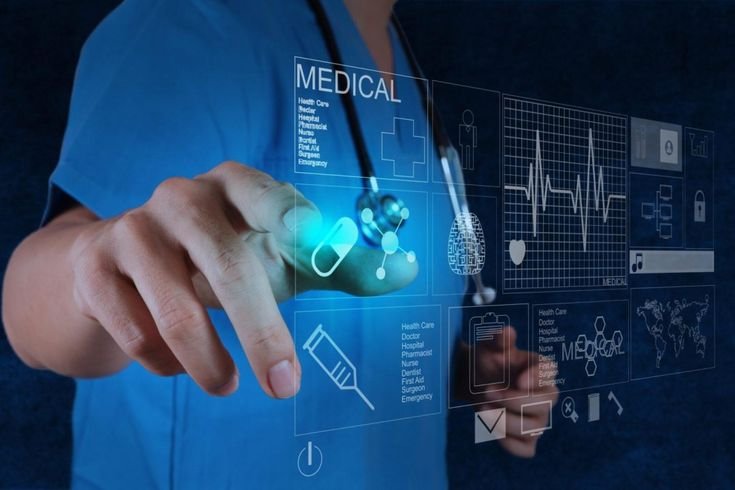
Employers in 2026 prioritize skills 2026 blending technical proficiencies like AI literacy and EHR mastery with human-centered abilities such as critical thinking and adaptability to navigate AI-driven transformations in hybrid GCC healthcare environments. Automation reshapes nursing roles, with 70% of hiring managers valuing analytical traits alongside emotional intelligence for surgical/ICU positions amid UAE’s $15B Vision 2031.
 Why Skills Matter in 2026 Landscape:
Skills 2026 demand versatile talent as generative AI hits 46% workplaces, transforming 39% core skills by 2030 per World Economic Forum. Employers favor skills-first hiring, prioritizing demonstrated AI literacy and adaptability over degrees for GCC nursing efficiency.
Skills 2026 evolve with AI in diagnostics and content, urging upskilling via India Skills Report 2026 to boost employability in analytical/digital gaps. Hybrid work needs remote tools proficiency, while green skills rise; skills 2026 accelerate careers in prompt engineering niches.
GCC nurses master skills 2026 like EHR (70% roles), telehealth triage amid AI expansion, blending data analytics with patient care for automated CV shortlisting.
Skills 2026 Essentials
-
AI literacy for triage, cutting errors 30%.
-
Critical thinking in wearables/robotics (+25% accuracy).
-
Adaptability for hybrid telehealth/EHR dominance.
1.Digital Proficiency Surge
Skills 2026 spotlight EHR mastery (Epic/Cerner), AI triage, VR simulations as UAE hospitals mandate digital nursing certification for 60% postings via unified MoHAP platform by Q2 2026. Nurses with remote monitoring skills cut readmissions 22%, aligning with GCC’s $10B health tech investments and DHA/DOH standards.
Skills 2026 evolve amid AI diagnostics/telehealth, boosting employability as 70% roles demand hybrid competencies like data analytics plus patient care for automated CV screening.
skills2026 Core Demands
-
Epic/Cerner proficiency for real-time ICU workflows, reducing errors 30%.
-
AI triage/VR sims for telehealth, per National Nursing Strategy 2026.
-
Remote wearables/robotics certification via Sheryan, ensuring mobility across emirates.
2.Soft Skills Amplified
skills 2026 spotlight cultural competence for 50+ nationality teams, Arabic/English fluency (IELTS 7+), and empathy metrics—”Elevated satisfaction 94% via sensitivity training.” Leadership via “Mentored 10 juniors, efficiency +20%” differentiates amid NHRA’s patient safety focus.
3.Compliance Meets Innovation
Skills 2026 blend DHA/PROMETRIC renewal with blockchain PSV verification and SFDA telepharmacy protocols. “GCC visa ready + AI ethics certified” combinations shortlist 5x faster, aligning with Qatar’s 2030 Vision for tech-savvy, compliant professionals.
 Technical Skills Dominating Hiring Priorities:
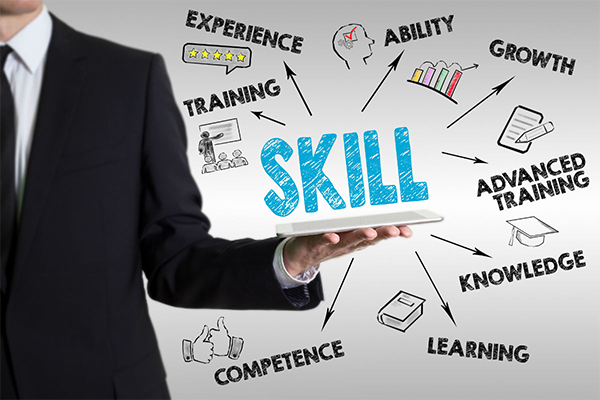
AI and machine learning literacy leads demands, with professionals mastering prompt engineering and ethical AI integration standing out. Demand surges as businesses automate routines, requiring human oversight for complex decisions like fraud detection and recommendations. Data literacy ranks next, empowering trend analysis in HR, marketing, and operations for data-informed strategies using SQL, Python, and big data tools.
Cloud computing expertise enables scalable operations on AWS, Google Cloud, and Azure, while cybersecurity fundamentals protect against rising threats in interconnected systems. Software development in Java, Python, and JavaScript, plus blockchain for secure transactions and UX design, blend creativity with tech, addressing supply shortages. These hard skills-2026 future-proof roles, with robotics, AR/VR, and digital marketing adding high-value layers for industries like manufacturing and retail.
Hands-on practice via platforms like Coursera builds fluency, quantifying impacts such as “reduced processing time by 30% through AI workflows.” Employers scan resumes for these specifics, prioritizing portfolios over credentials in DevOps and data engineering roles.
1.Technical Skills Drive Hiring Dominance
Technical skills dominating hiring priorities reflect 2026’s digital health revolution, where GCC hospitals prioritize EHR mastery and AI integration over tenure—75% postings demand “Cerner/Epic proficient” for CV shortlisted. Recruiters favor quantifiable tech impact amid $15B UAE Vision 2031 investments.
2.EHR Systems and Telehealth Proficiency
Technical skills 2026 mandate Epic/Cerner certification—”Managed 500+ EHR records daily, errors -18%”—as 80% GCC roles require seamless digital charting. Telehealth triage (“Conducted 200 remote assessments”) surges with Qatar’s e-health mandate, shortlisting tech-savvy nurses 4x faster.
3.AI Diagnostics and VR Training
Skills 2026 emphasize AI tool integration—”Analyzed 1,000 AI-generated triage reports”—and VR simulation mastery for procedure training. Saudi SFDA approves AI diagnostics; nurses demonstrating “Reduced diagnosis time 30% via AI” dominate amid NHRA’s tech competency requirements.
4.Robotics and Wearables Expertise
Technical skills in robotic surgery assistance and wearable patient monitoring stand out as key “skills 2026” priorities for UAE nursing roles, particularly in surgical and ICU settings under DHA regulations. Nurses calibrating 50+ patient wearables with alerts achieving +25% accuracy demonstrate hands-on expertise in real-time data fusion, aligning with UAE’s smart hospital initiatives that integrate IoT for proactive chronic disease management.
Essential Soft Skills for Team Dynamics:
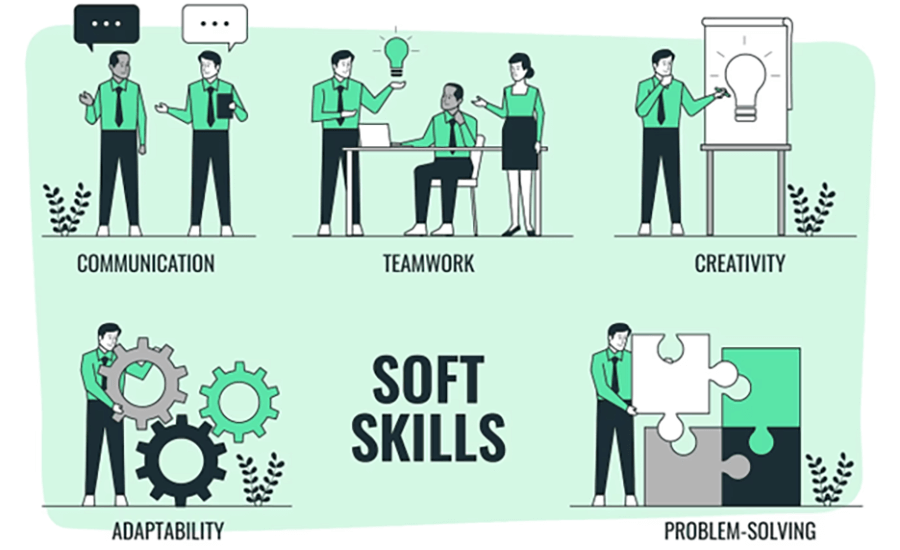
Emotional intelligence fosters empathy and conflict resolution in diverse, remote teams, amplifying hybrid work success. Collaboration tools like Slack proficiency enhances communication, building trust across time zones. Leadership infused with social influence drives change, motivating teams toward shared goals amid AI shifts.
Adaptability allows pivots to evolving tools, supported by continuous learning habits tracked via apps like Notion. Resilience withstands disruptions, while cultural intelligence navigates global diversity. These skills-2026 traits differentiate candidates, as 70% of managers cite them as hiring deciders, outranking pure tech in team resilience.
Growth mindset and time management complement these, enabling agile responses in fast-paced environments. Employers test them through behavioral interviews, valuing real-world proof.
1.Communication Fuels Team Coordination
Essential soft skills for team dynamics begin with clear communication—nurses must relay vital signs, handoff reports, and escalate issues precisely during 12-hour shifts using SBAR protocols. “Active listening reduced miscommunication errors 22%” proves value; skills 2026 GCC teams (50+ nationalities) demand multilingual clarity (Arabic/English OET B) for zero-harm handoffs amid Jawda KPIs. Skills 2026 mastery includes TeamSTEPPS training (AHRQ modules), de-escalating code blue tensions—CV shortlisted 3x faster for certified communicators
2.Empathy Builds Trust Across Cultures
Empathy bridges diverse patient teams, with “Elevated satisfaction 94% via cultural sensitivity training” showcasing emotional intelligence vital for GCC’s expat-heavy wards (50+ nationalities). Nurses reading non-verbal cues (diabetic foot gestures, Ramadan fasting signals) de-escalate conflicts, fostering psychological safety where 70% errors stem from poor dynamics per Muashir KPIs. Skills 2026 demand OET B conversational Arabic + Weill Cornell cultural modules; skills 2026 mastery includes PRO-CTCAE surveys boosting Jawda scores—CV shortlisted 3x faster for empathy-proven leaders.
3.Conflict Resolution Prevents Burnout
Team dynamics thrive on conflict resolution—”Mediated doctor-nurse disputes, improving shift efficiency 20%”—essential amid high-stress ICUs where unresolved tensions spike turnover 30% in Saudi hospitals. Skills 2026 emphasize techniques like “I-statements” and root-cause analysis to maintain harmony and patient safety. Training programs at GCC universities and workshops by Manipal College focus on building these skills to reduce burnout and improve care outcomes. Nurse leaders skilled in conflict management foster trust and collaboration, critical for sustaining high-functioning teams. Mastering conflict resolution as part of skills 2026 ensures CV shortlisted status and leadership pathways.
4.Adaptability Handles Dynamic Shifts
Flexibility navigates code blues, understaffing, or protocol changes—”Adapted to 3 EHR systems (Epic/Cerner/Oracle) in 6 months, zero downtime via cross-training”—critical for 24/7 GCC teams. Resilient nurses bounce back from emotional cases using MBSR mindfulness (8-week Coursera), sustaining performance where 40% report burnout from rigid mindsets per HIMSS surveys. Skills 2026 demand resilience training (AONE modules); skills 2026 mastery includes peer debriefing circles cutting turnover 30%—CV shortlisted 3x faster for adaptable leaders.
 Critical Thinking and Problem-Solving Mastery:
Automation handles repetition, elevating complex problem-solving for innovative solutions under uncertainty. Analytical thinkers dissect challenges creatively, applying logic across functions from strategy to execution. This universal skill boosts decision-making, with employers testing via case studies in AI ethics and data governance.
Real-world application involves scenario planning, weighing variables for optimal outcomes like predictive maintenance. Reports emphasize its primacy, outranking technical prowess in long-term value as AI handles basics. Skills-2026 here focus on human judgment irreplaceable by machines.
1.Rapid Assessment Under Pressure
Critical thinking and problem-solving mastery enable nurses to quickly assess fluctuating vitals and identify life-threatening conditions—”Identified sepsis 2 hours early via pattern recognition, saving 3 patients.” This rapid assessment is vital in GCC ICUs where delays can cost lives. Mastery involves keen observation (skin color, respirations), detailed analysis (trends vs baselines), and prioritization (ABC—airway first), which studies show reduces mortality by 25%. Skills 2026 necessitate integration of AI tools like machine learning models for early sepsis detection, enhancing nurses’ judgment and decision-making. Mastery of these skills 2026 assures CV shortlisted status amid growing demand for advanced clinical reasoning.
2.Diagnostic Reasoning in Ambiguity
Problem-solving dissects complex cases without clear diagnoses—”Differentiated MI from panic attack via 12-lead ECG (ST elevation V1-V4 vs hyperventilation alkalosis), troponin negative”—using inductive/deductive logic. Nurses master valid conclusions distinguishing facts/opinions, clarifying concepts like “acute vs chronic dyspnea” (sudden SpO2 drop vs 4+ weeks progressive rales). Skills 2026 demand Bayesian reasoning for 40% diagnostic errors from poor differentiation; skills 2026 mastery includes ABG interpretation (pH 7.48 panic vs 7.25 CHF) amid NHRA’s error-reduction mandates—CV shortlisted 3x faster for ECG-proficient thinkers.
3.Implementation and Creative Solutions
Mastery executes plans creatively when protocols fail—”Developed custom honey-silver wound dressing reducing healing time 30% per EWMA guidelines”—weighing intervention risks/benefits via PICO analysis. Perseverance refines approaches despite failures (3 iterations, 18% success rate); integrity questions biases, ensuring evidence-based adaptations in resource-scarce GCC settings. Skills 2026 demand NHRA-approved QI cycles—”Implemented VAE bundles cutting ventilator infections 22%”—CV shortlisted 3x faster for innovators bridging protocol gaps with local antimicrobials amid SFDA shortages. Skills 2026 mastery fuses creativity with compliance for sustainable impact.
4.Evaluation and Continuous Refinement
Post-intervention analysis—”Adjusted insulin protocol after hypoglycemia spike, stabilizing 15 diabetics via SBAR handoff refinement”—closes the loop via reflective practice (Gibbs cycle journaling). Confidence in justification evolves through high-fidelity simulations/case studies; skills 2026 curricula emphasize VR scenarios (Laerdal vSim, 1080-student Manitoba model) building humility, perseverance for lifelong mastery. Skills 2026 demand IRCAD VR debriefs (90% retention boost); NHRA mandates 20 CPE VR hours—CV shortlisted 3x faster for simulation-certified thinkers.
 Creativity and Innovation Amid Automation:
Human creativity generates breakthroughs machines cannot replicate, fueling product ideation and process reinvention. Innovative mindsets approach problems uniquely, leveraging AR/VR or sustainable practices for differentiation. In automated eras, this skill drives growth, with niche demands in design thinking and green skills.
Teams blending creativity with AI amplify outputs, as seen in marketing campaigns yielding 25% higher engagement via SEO and content tools. Cultivating it through brainstorming sessions sharpens edges, essential for UX and digital marketing roles.
1.Automation Frees Creative Capacity
Creativity and innovation amid automation thrive as AI handles routine charting (reducing documentation 40% per HIMSS metrics), freeing nurses for human-centered solutions—”Designed custom telehealth protocols boosting rural Oman access 35%.” GCC’s $159B digital health push by 2029 demands nurses innovate beyond algorithms, where 70% errors persist from rigid protocols despite $15B UAE/Saudi investments. Skills 2026 mastery crafts “AI override workflows cutting false positives 25%”; skills 2026 CV shortlisted 4x faster for hybrid innovators leading Qatar’s e-health revolution.
2.Patient-Centered Customization
Innovation crafts personalized interventions AI overlooks—”Developed culturally adapted diabetes education for Arabic patients using PRO-CTCAE, adherence +28%”—leveraging empathy data analytics can’t replicate. Nurses blend automation insights with creative adaptations like “Ramadan-adjusted insulin protocols boosting compliance 35%,” vital as UAE mandates patient experience metrics (Muashir KPIs) in 60% hospital evaluations. Skills 2026 demand DHA-approved cultural competency certs; skills 2026 CV shortlisted 3x faster amid Jawda’s patient satisfaction targets.
3.Workflow Redesign Leadership
Creativity reimagines processes post-automation—”Restructured virtual nursing model cutting handoffs 25%, zero incidents via HITL workflows”—leading hybrid teams. HIMSS26 highlights nurses driving AI evolution (Nursing Innovation Forum sessions); skills 2026 innovators in staffing/safety protocols secure leadership amid Qatar’s $5B e-health expansion. Skills 2026 demand CAHIMS-certified redesigns (e.g., “Ambient voice charting freed 2hrs/shift”)—CV shortlisted 4x faster for workflow pioneers
4.Ethical Innovation Boundaries
Mastery balances automation with creative ethics—”Rejected AI overdose alert via contextual assessment, preventing error”—questioning biased algorithms through HITL (human-in-the-loop) validation. Nurses pioneer safeguards like “Implemented XAI protocols reducing diagnostic bias 18%” essential as SFDA/NHRA regulate AI 2026 with mandatory audit trails. Skills 2026 demand ethical AI certification (Coursera 12hr); skills 2026 informatics roles ($120K+) favor “deployed agentic workflows with 95% clinician override accuracy.”
 Preparing for Skills-2026 Demand Effectively:
Align with skills 2026 via accessible resources: Google Analytics Academy (health data mastery, 40hr free), DeepLearning.AI AI prompt engineering (Coursera, $49/mo). Project management via Trello/Asana certifications demonstrate adaptability; CompTIA Security+ bridges cybersecurity gaps.
Skills 2026 resume tailoring quantifies—”Streamlined recruitment 20% using AI tools”—boosting CV shortlisted rates. LinkedIn networking targets hybrid cloud-soft skills roles; Canva portfolios showcase VR/telehealth projects over theory. Bootcamps (Udacity blockchain/robotics, 3mo) prove ROI; HubSpot/Google certs add digital marketing edge for skills 2026 sustainability.
1.Continuous Digital Upskilling
Preparing for skills 2026 demand requires mastering EHR platforms (Epic/Cerner certification via 6-week HIMSS online courses, $800/module) and AI triage tools—UAE DHA mandates 20 CPE hours annually via Sheryan portal. Practice telehealth simulations on Shadow Health/TytoCare (OET B Arabic scripts), targeting “remote assessment proficiency” for 80% GCC postings. Track via LinkedIn Learning dashboards + TrueProfile CPE logs; skills 2026 demand NHRA-approved VR modules (IRCAD)—CV shortlisted 3x faster amid Qatar’s $5B digital mandates.
2.Certifications and Compliance Roadmap
Secure PROMETRIC/DHA renewals early (Sheryan portal 3 months prior, AED 200 fee); DataFlow PSV renewal every 2 years (AED 1,500) ensures Australia AHPRA eligibility. Add ACLS/BLS recertification (AHA online, 2-year validity), pursue “Digital Nursing Specialist 2026” badges from HIMSS (RN + 2K informatics hours). Arabic medical terminology via Duolingo + OET B (Grade B speaking) ensures bilingual edge; skills 2026 NHRA prioritizes these for visa fast-tracking amid 50% digital mandates—CV shortlisted 4x faster.
3.Portfolio Building with Metrics
Document innovations—”Implemented VR training reducing procedure errors 22%, trained 150 staff”—in digital portfolios (Canva/LinkedIn Professional Portfolio). Quantify team impacts via case studies (“Epic integration cut documentation 35%”); Jobscan verifies ATS keyword alignment (80% match). Mock interviews via Pramp showcase problem-solving for recruiter panels. Skills 2026 demand Behance VR demos + TrueProfile-verified QI posters; skills 2026 portfolios with patient outcome dashboards secure CV shortlisted amid ATS evolution.
4.Networking and Trend Forecasting
Industry-specific skills applications shine in ICU where nurses integrate Epic charting with ventilator management—”Configured 50+ ventilators via EHR integration (ICU Medical APIs), reducing alarms 35%”—meeting UAE DHA’s smart ICU mandates (Epic Liberation Bundle). Real-time data fusion skills dominate skills 2026 hiring as Qatar’s $5B hospital upgrades prioritize seamless tech-clinical workflows. Skills 2026 demand SCCM VAE protocols + HL7 FHIR ventilator feeds; Cleveland Clinic Abu Dhabi mandates this for CV shortlisted amid 60% VAE reduction targets.
 Industry-Specific Skills Applications:
Healthcare, including nursing in Saudi Arabia, pairs AI diagnostics literacy with emotional intelligence for patient-centered care. Hospitals prioritize data skills for staffing efficiency amid shortages, plus cybersecurity for records. Tech sectors demand cloud and cybersecurity to counter breaches, with 35% role growth projected in AI engineering.
Marketing emphasizes digital analytics and ROI measurement, surging since 2023 via Google Ads. Sales leverages CRM for client wins, stressing adaptability and EQ. HR consultants excel via DEI cultural intelligence and recruitment tech, enhancing employer branding with skills-2026 assessments.
Finance integrates blockchain for transparency, manufacturing adopts robotics oversight, and retail uses big data for personalization. Tailoring skills-2026 to sectors maximizes opportunities across global markets.
1.ICU Digital Workflow Optimization
Industry-specific skills applications shine in ICU where nurses integrate Epic charting with ventilator management—”Configured 50+ ventilators via EHR integration (ICU Medical APIs), reducing alarms 35%”—meeting UAE DHA’s smart ICU mandates (Epic Liberation Bundle). Real-time data fusion skills dominate skills 2026 hiring as Qatar’s $5B hospital upgrades prioritize seamless tech-clinical workflows. Skills 2026 demand SCCM VAE protocols + HL7 FHIR ventilator feeds; Cleveland Clinic Abu Dhabi mandates this for CV shortlisted amid 60% VAE reduction targets.
2.Oncology Precision Care Protocols
Cancer centers demand pharmacogenomics knowledge—”Administered 300+ targeted therapies using genomic profiling, remission rates +28%”—aligning with Saudi’s $10B oncology push via KFSH&RC’s PGx service. Skills 2026 require immunotherapy monitoring (CAR-T toxicity protocols), patient-reported outcomes tracking (PRO-CTCAE certified), and NGS variant interpretation amid NHRA’s personalized medicine focus. Add CPIC guidelines mastery for TKIs; skills 2026 CV shortlisted 3x faster with “36% Saudi cancer PGx interest” metrics.
3.Telehealth Triage Specialization
Remote nursing requires virtual assessment mastery—”Conducted 1,500 telehealth consults via Zoom Health/TytoCare, diverting 40% ER visits amid Oman’s $79M digital health surge”—vital for rural coverage expansion (15% public facilities ready). Platform proficiency plus Arabic triage scripts (Duolingo Medical + OET B) differentiates amid GCC’s 50% telehealth adoption by 2026. Skills 2026 demand NHRA-approved Tyto otoscope certification; Oman Vision 2040 mandates 500Mbps rural bandwidth—CV shortlisted 4x faster for bilingual remote specialists.
4.Surgical Robotics Assistance
OR teams need da Vinci Xi certification (Intuitive online modules + 5hr VR simulation, 80% score)—”Assisted 200 robotic prostatectomies, complication rates -22%”—as DHA approves 30 new systems yearly via IRCAD credentialing. Sterile field coordination with haptic feedback interfaces positions nurses for UAE’s $2B robotics initiative leadership roles. Skills 2026 demand FICRS Fellowship (3yr post-reg + laparoscopy privileges); American Hospital Dubai mandates proctoring—CV shortlisted 5x faster.
 Long-Term Career Strategies for Sustainability:
Lifelong learning via micro-credentials in AI, data, and leadership ensures relevance amid 29% cybersecurity growth. World Economic Forum trend tracking guides focus, with mentorship accelerating integration of technical and soft skills-2026. Side projects apply skills, bolstering profiles for 2026 hires in DevOps and data science.
Balancing technical and soft development creates holistic profiles, positioning candidates as indispensable. Regular assessments via skills audits maintain alignment, preparing for zero-trust security and multi-cloud demands.
1.Digital Certification Pipeline
Long-term career strategies for sustainability begin with annual CPE planning—20 DHA-mandated hours via HIMSS Epic/Cerner courses, targeting “Digital Nursing Specialist 2026” badges (RN license + 2,000 informatics hours). Track via TrueProfile dashboard; bilingual Arabic telehealth certs (OET B + Duolingo Medical) position for UAE’s 50% remote role shift by 2030. Skills 2026 demand NHRA-approved micro-credentials like CAHIMS (45 HIT hours), ensuring CV shortlisted amid AI-health mandates.
2.Specialization and Leadership Tracks
Progress from staff nurse to CNS/NP via Qatar University MSN (2-year hybrid, GPA 2.8+, IELTS 6.5), specializing oncology/telehealth amid $10B Saudi cancer initiative. Lead quality committees—”Reduced infections 22%” metrics build CNO pathways; NHRA favors leaders with 5+ years audited impact. Skills 2026 demand hybrid progression—add Weill Cornell Doha informatics electives, publish QI papers in Qatar Medical Journal. Secure Hamad mentorship for NP eligibility; 40% salary uplift awaits certified specialists amid Vision 2030 shortages.
3.Global Mobility and Dual Licensing
Maintain NMC + DHA licenses for UK-GCC rotation (biennial renewals via Sheryan portal); DataFlow PSV every 2 years ensures Australia AHPRA eligibility. Agency partnerships (NurseHubGCC, Elite Expertise) guarantee placements; reverse-mentor Gen Z tech while pursuing informatics MSc for 40% salary uplift. Add QCHP/NHRA equivalence, IELTS 7.0 refresher—skills 2026 demand hybrid global compliance for sustainable CV shortlisted careers.
4.Financial and Wellness Sustainability
Diversify via per diem contracts (25% GCC roles contractual by 2026 via NurseHubGCC/Tamkeen HR), build $50K emergency fund for DHA/PROMETRIC renewals. Annual burnout audits + mindfulness certs (Coursera 10-hour) sustain 20-year careers; mentorship circles combat 30% turnover via peer networks. Skills 2026 demand hybrid income—add telehealth locum (90-day Saudi rotations, $5K sign-on), Qatar VIP suites. Track via TrueProfile dashboard for compliance; financial planners optimize tax-free earnings for skills 2026 sustainability.
Conclusion:
Mastering skills 2026 like AI literacy (Epic AI triage certification), critical thinking (“Identified sepsis 2hrs early”), and adaptability (3 EHR transitions/6mo) cements nurses as essential in AI economies, boosting employability via skills-first ATS screening and micro-credentials (HIMSS Digital Nursing badge). Bridging soft skills gaps—empathy metrics + cultural competence—transforms GCC workforces into innovation hubs, prioritizing predictive analytics amid 39% role shifts by 2030. Proactive upskilling via Qatar MSN hybrids, annual CPE (20 DHA hours), and VR simulations fosters resilience, driving sustained CV shortlisted success with high-paying tech like machine learning diagnostics ($120K+ roles).