
How Technology Is Revolutionizing Modern Healthcare
Technology is transforming every aspect of modern healthcare, reshaping how patients receive treatment, how professionals deliver services, and how hospitals manage operations. From artificial intelligence to robotic surgery, the healthcare sector is experiencing rapid digital transformation. Today, modern healthcare is no longer limited to traditional hospital visits; it now includes telemedicine, smart monitoring systems, data-driven diagnosis, and personalized treatment plans.
As global healthcare demands continue to grow, innovation is becoming the backbone of modern healthcare systems. Hospitals, clinics, and medical institutions are investing heavily in digital tools to improve efficiency, reduce errors, and enhance patient outcomes. In this detailed guide, we explore how technology is revolutionizing modern health care and shaping the future of global medicine.
The Digital Transformation of Modern Healthcare
Digital transformation is at the heart of modern healthcare. Healthcare providers are replacing paper-based systems with electronic platforms that streamline communication, documentation, and patient management. Electronic Health Records (EHRs) allow medical professionals to access patient histories instantly, improving decision-making and reducing duplication of tests.
In modern healthcare, digital platforms also enable seamless collaboration between departments and even across countries. Doctors can review medical reports remotely, specialists can provide second opinions online, and patients can track their health records through secure portals. This shift toward digital ecosystems strengthens the foundation of modern healthcare and ensures faster, more coordinated treatment.
Replacement of Paper Records with Digital Systems

The replacement of paper records with digital systems is one of the most important advancements in healthcare management. In traditional hospitals, patient files were stored in physical folders, which required large storage space and manual handling. These paper records were vulnerable to damage, loss, duplication, and human error. Searching for a single patient file could take a significant amount of time, especially in large healthcare facilities.
With the introduction of Electronic Health Records (EHR) and digital documentation systems, all patient information is stored electronically in centralized databases. Healthcare professionals can easily enter, update, and retrieve data in real time. Digital systems reduce paperwork, minimize clerical mistakes, and improve documentation accuracy. This transition enhances operational efficiency and allows medical staff to focus more on patient care rather than administrative tasks.
. Faster Access to Patient Data
Digital systems provide instant access to patient information, which is crucial in emergency and critical care situations. Instead of manually locating physical files, doctors and nurses can retrieve medical histories, laboratory reports, imaging results, allergies, and medication records within seconds.
Faster access to patient data improves clinical decision-making. Physicians can quickly analyze test results and adjust treatment plans without unnecessary delays. In multi-specialty hospitals, different departments can view the same patient file simultaneously, ensuring coordinated and timely care. This reduces duplication of tests, prevents medical errors, and enhances overall treatment efficiency.
. Improved Interdepartmental Communication
Effective communication between departments is essential for quality healthcare delivery. In paper-based systems, patient files had to be physically transferred from one department to another, which often caused delays and miscommunication.
Digital systems allow seamless sharing of information across departments such as radiology, laboratory, pharmacy, and surgery. When test results are uploaded, they become instantly available to all authorized professionals. Doctors can collaborate, update treatment notes, and communicate securely within the system. This real-time information sharing improves teamwork, reduces errors, and ensures that every department works with accurate and updated data.
. Enhanced Data Security and Compliance
Patient confidentiality is a critical responsibility in healthcare. Paper records are more vulnerable to unauthorized access, theft, fire, or accidental damage. Digital systems significantly improve data security through encryption, password protection, multi-factor authentication, and restricted access controls.
Modern healthcare software also maintains audit trails, tracking who accessed or modified patient records. This ensures accountability and regulatory compliance. Regular data backups and secure cloud storage protect information from system failures or disasters. By implementing strong cybersecurity measures, healthcare institutions safeguard sensitive medical data and maintain patient trust.
. Replacement of Paper Records with Digital Systems
The replacement of paper records with digital systems is one of the most important advancements in healthcare management. In traditional hospitals, patient files were stored in physical folders, which required large storage space and manual handling. These paper records were vulnerable to damage, loss, duplication, and human error. Searching for a single patient file could take a significant amount of time, especially in large healthcare facilities.
With the introduction of Electronic Health Records (EHR) and digital documentation systems, all patient information is stored electronically in centralized databases. Healthcare professionals can easily enter, update, and retrieve data in real time. Digital systems reduce paperwork, minimize clerical mistakes, and improve documentation accuracy. This transition enhances operational efficiency and allows medical staff to focus more on patient care rather than administrative tasks.
. Faster Access to Patient Data
Digital systems provide instant access to patient information, which is crucial in emergency and critical care situations. Instead of manually locating physical files, doctors and nurses can retrieve medical histories, laboratory reports, imaging results, allergies, and medication records within seconds.
Faster access to patient data improves clinical decision-making. Physicians can quickly analyze test results and adjust treatment plans without unnecessary delays. In multi-specialty hospitals, different departments can view the same patient file simultaneously, ensuring coordinated and timely care. This reduces duplication of tests, prevents medical errors, and enhances overall treatment efficiency.
. Improved Interdepartmental Communication
Effective communication between departments is essential for quality healthcare delivery. In paper-based systems, patient files had to be physically transferred from one department to another, which often caused delays and miscommunication.
Digital systems allow seamless sharing of information across departments such as radiology, laboratory, pharmacy, and surgery. When test results are uploaded, they become instantly available to all authorized professionals. Doctors can collaborate, update treatment notes, and communicate securely within the system. This real-time information sharing improves teamwork, reduces errors, and ensures that every department works with accurate and updated data.
. Enhanced Data Security and Compliance
Patient confidentiality is a critical responsibility in healthcare. Paper records are more vulnerable to unauthorized access, theft, fire, or accidental damage. Digital systems significantly improve data security through encryption, password protection, multi-factor authentication, and restricted access controls.
Modern healthcare software also maintains audit trails, tracking who accessed or modified patient records. This ensures accountability and regulatory compliance. Regular data backups and secure cloud storage protect information from system failures or disasters. By implementing strong cybersecurity measures, healthcare institutions safeguard sensitive medical data and maintain patient trust.
. Better Patient Engagement Through Digital Portals
Digital patient portals empower individuals to actively participate in their healthcare journey. Through secure online platforms, patients can access their medical records, review lab results, schedule appointments, request prescription refills, and communicate directly with healthcare providers.
This transparency improves patient awareness and encourages better treatment adherence. Appointment reminders, health alerts, and educational resources further support patient involvement. Digital engagement tools make healthcare more convenient, accessible, and patient-centered. As a result, patients feel more informed, confident, and satisfied with their care experience.
Artificial Intelligence in Modern Healthcare
Artificial Intelligence (AI) is playing a groundbreaking role in modern healthcare. AI-powered algorithms analyze massive amounts of medical data to detect patterns that may not be visible to human doctors. From early cancer detection to predicting heart disease risks, AI enhances diagnostic accuracy in modern health care settings.
Machine learning tools are also being used to develop personalized treatment plans. In modern health care, AI can recommend therapies based on a patient’s genetic profile, lifestyle, and medical history. This personalized approach reduces trial-and-error treatments and increases success rates.
AI Improves Diagnostic Precision
Artificial Intelligence (AI) significantly enhances diagnostic accuracy in healthcare by analyzing vast amounts of medical data with speed and precision. Traditional diagnosis often depends on a physician’s experience, interpretation skills, and available information. However, AI systems can process thousands of medical images, lab reports, and patient records within seconds to identify patterns that may not be easily detected by the human eye.
For example, AI-powered imaging tools can detect early signs of diseases such as cancer, stroke, or fractures in radiology scans with high accuracy. These systems use machine learning algorithms trained on large datasets to recognize abnormalities. As a result, diagnostic errors are reduced, and patients receive faster, more accurate evaluations. By supporting doctors with data-driven insights, AI strengthens clinical decision-making and improves patient outcomes.
. Early Detection of Chronic Diseases
Early detection plays a critical role in managing chronic conditions such as diabetes, heart disease, cancer, and kidney disorders. AI-driven systems analyze patient data, including medical history, lifestyle habits, genetic information, and laboratory results, to identify potential health risks before symptoms become severe.
Through continuous monitoring and pattern recognition, AI can alert healthcare providers about subtle warning signs that indicate the early stages of chronic diseases. For instance, wearable devices connected to AI platforms can track heart rate irregularities and detect possible cardiac issues early. Early diagnosis allows timely intervention, reducing complications, lowering treatment costs, and improving long-term survival rates.
By shifting the focus from reactive treatment to proactive care, AI supports a more preventive healthcare model.
. Personalized Medicine and Treatment Plans
Personalized medicine is transforming healthcare by tailoring treatments to individual patients rather than applying a one-size-fits-all approach. AI analyzes genetic profiles, medical histories, environmental factors, and lifestyle behaviors to design customized treatment strategies.
For example, in cancer treatment, AI can evaluate a patient’s genetic mutations and recommend targeted therapies that are more likely to be effective. This reduces unnecessary side effects and increases treatment success rates. AI can also determine how patients might respond to specific medications, helping doctors choose the safest and most effective drug options.
By enabling precision-based care, AI ensures that treatments are optimized for each individual, improving recovery rates and overall patient satisfaction.
. Predictive Analytics for Preventive Care
Predictive analytics uses AI algorithms to forecast potential health risks based on data trends and historical patterns. Instead of waiting for symptoms to appear, healthcare providers can use predictive tools to identify high-risk patients and take preventive action.
For example, AI can analyze population health data to predict outbreaks of infectious diseases or identify patients who are at risk of hospital readmission. Healthcare providers can then implement early interventions, lifestyle counseling, or monitoring programs to prevent complications.
Predictive analytics also helps hospitals manage resources effectively by anticipating patient admissions and treatment demands. This forward-looking approach strengthens preventive care strategies and supports more sustainable healthcare systems.
. Reduced Workload for Healthcare Professionals
Healthcare professionals often face heavy workloads due to administrative tasks, documentation requirements, and large patient volumes. AI helps reduce this burden by automating routine and repetitive processes.
For example, AI-powered systems can automatically document patient visits, transcribe medical notes, schedule appointments, and manage billing processes. Chatbots and virtual assistants can handle common patient inquiries, freeing up staff time for more critical tasks.
In clinical settings, AI decision-support tools provide quick recommendations, helping doctors make informed decisions efficiently. By reducing manual workload and administrative stress, AI allows healthcare professionals to focus more on direct patient care, improving productivity and job satisfaction.
Telemedicine and Remote Care
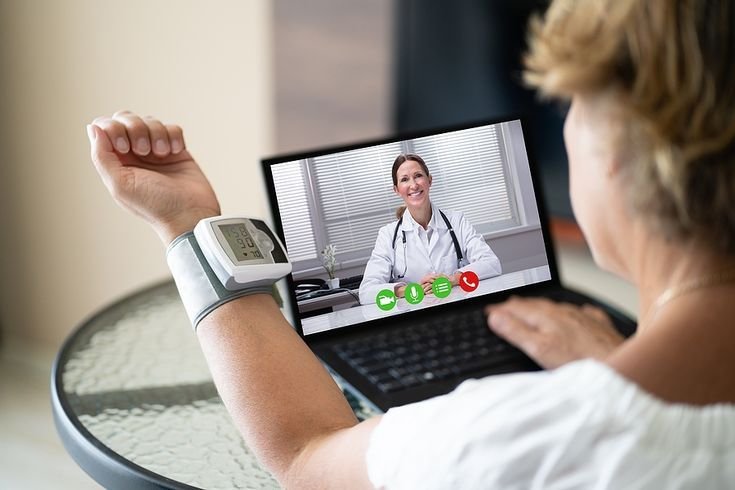
Telemedicine has redefined accessibility in modern health care. Patients no longer need to travel long distances to consult specialists. Through video consultations, mobile health apps, and online prescription services, modern healthcare is becoming more convenient and patient-centered.
Remote patient monitoring devices further strengthen modern healthcare systems. Wearable devices track vital signs such as heart rate, blood pressure, and oxygen levels in real time. Doctors can monitor patients remotely and intervene before conditions worsen.
. Virtual Consultations and Online Prescriptions
Virtual consultations have become a powerful component of modern healthcare, allowing patients to connect with doctors through video calls, mobile apps, or online platforms. Instead of physically visiting hospitals for minor illnesses or follow-up appointments, patients can receive medical advice from the comfort of their homes. This digital approach saves time, reduces travel costs, and minimizes exposure to infections, especially during public health emergencies.
Online prescription services further enhance modern healthcare by enabling doctors to send electronic prescriptions directly to pharmacies. Patients can order medications online or collect them without waiting in long queues. This streamlined process improves convenience, speeds up treatment, and ensures better continuity of care. Virtual healthcare platforms also maintain digital records of consultations, helping doctors monitor patient progress more efficiently.
By integrating telemedicine into everyday practice, modern health care becomes more accessible, flexible, and patient-centered.
. Improved Access for Rural and Remote Populations
Access to quality medical services has traditionally been a challenge for people living in rural and remote areas. Limited hospital infrastructure, shortage of specialists, and long travel distances often delay treatment. Through telemedicine and digital health platforms, modern health care bridges this gap by connecting rural patients with experienced doctors and specialists located in urban centers.
Patients in remote communities can now consult cardiologists, neurologists, or other specialists without leaving their villages. Mobile health units equipped with digital tools further expand the reach of modern healthcare services. This ensures early diagnosis, timely treatment, and better management of chronic conditions.
Improved access also promotes healthcare equality. By removing geographical barriers, modern healthcare supports inclusive healthcare delivery and ensures that quality medical services are available to everyone, regardless of location.
. Real-Time Health Tracking Through Wearable Devices
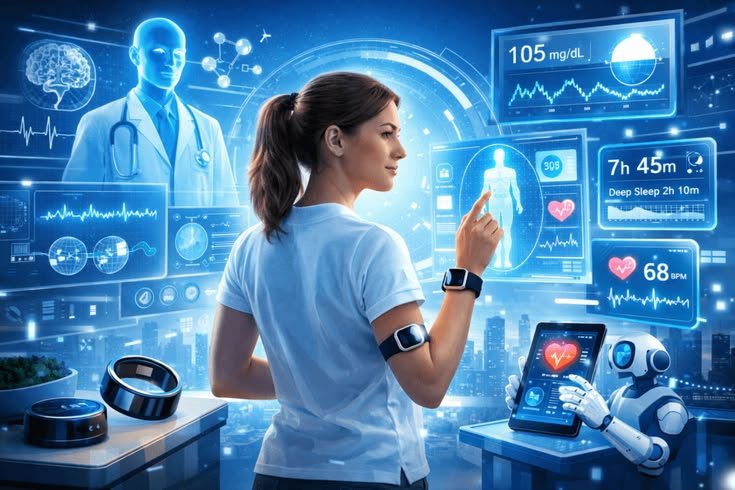
Wearable health devices such as smartwatches, fitness bands, and connected medical monitors play an important role in modern healthcare. These devices continuously track vital signs like heart rate, blood pressure, oxygen levels, sleep patterns, and physical activity. The data collected is transmitted in real time to healthcare providers or mobile applications.
Real-time monitoring enables early detection of abnormalities. For example, irregular heart rhythms or sudden drops in oxygen levels can trigger alerts for immediate medical attention. This forward-thinking strategy enhances preventive care within modern health care systems.
Wearable devices are especially beneficial for patients with chronic conditions such as diabetes or heart disease. Continuous monitoring helps doctors adjust treatment plans based on accurate, up-to-date data. By encouraging individuals to track their own health, modern healthcare promotes greater awareness and healthier lifestyles.
. Reduced Hospital Readmissions
Hospital readmissions are costly and often indicate incomplete recovery or poor follow-up care. Digital monitoring tools and telehealth services significantly reduce readmission rates in modern healthcare systems. After discharge, patients can stay connected with their doctors through virtual follow-ups and remote monitoring devices.
Healthcare providers can track recovery progress, medication adherence, and vital signs without requiring patients to revisit the hospital unnecessarily. Early identification of warning signs allows timely intervention before a condition worsens. This proactive strategy enhances patient safety and improves overall recovery outcomes.
By minimizing avoidable readmissions, modern healthcare improves hospital efficiency, reduces overcrowding, and enhances overall patient satisfaction. Continuous digital support ensures smoother recovery and better long-term health management.
. Cost-Effective Healthcare Delivery
One of the major advantages of digital innovation in modern healthcare is cost efficiency. Virtual consultations reduce transportation expenses, hospital overhead costs, and administrative workload. Automated appointment scheduling, electronic billing systems, and digital record management streamline operations and reduce manual errors.
Remote monitoring also lowers the need for frequent hospital visits, saving both patients and healthcare institutions significant costs. Early disease detection through digital tools reduces the financial burden associated with advanced-stage treatments.
For governments and healthcare organizations, investing in technology-driven solutions creates long-term financial sustainability. By improving efficiency and reducing unnecessary procedures, modern healthcare ensures high-quality services at a more affordable cost.
Robotic Surgery and Advanced Medical Equipment
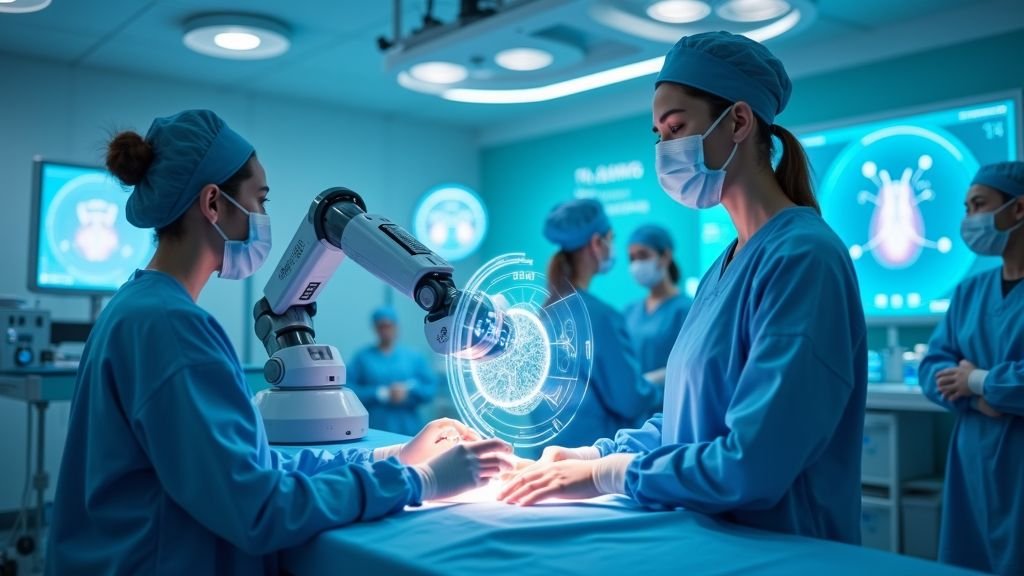
Robotic technology is enhancing surgical precision in modern health care. Robotic-assisted surgery allows surgeons to perform complex procedures with minimal invasiveness. This results in shorter recovery times, less pain, and reduced risk of complications.
In modern healthcare, advanced imaging technologies such as 3D scans and robotic navigation systems enable surgeons to plan procedures with unmatched accuracy. These innovations are transforming operating rooms into highly sophisticated environments.
- Increased surgical accuracy
- Minimally invasive procedures
- Faster patient recovery
- Reduced surgical complications
- Improved patient satisfaction
. Big Data and Health Analytics
Data plays a vital role as one of the most powerful assets in modern healthcare.. Hospitals generate enormous volumes of patient data daily. By using big data analytics, healthcare institutions can identify trends, improve patient outcomes, and optimize hospital management.
In modern healthcare, predictive analytics helps forecast disease outbreaks, manage hospital resources efficiently, and enhance preventive strategies. Data-driven decision-making strengthens public health systems and improves overall efficiency.
- Improved patient outcome tracking
- Better hospital resource allocation
- Disease outbreak prediction
- Enhanced preventive care strategies
- Data-driven healthcare planning
. Internet of Medical Things (IoMT)
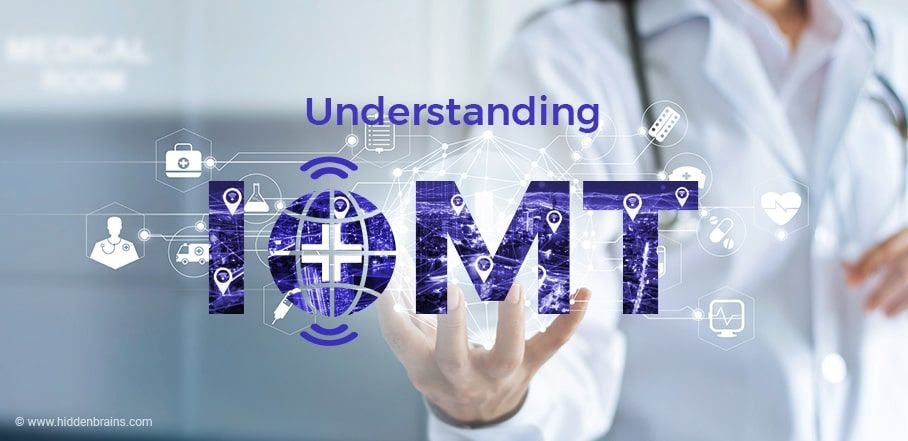
The Internet of Medical Things (IoMT) connects medical devices to healthcare networks, playing a vital role in modern healthcare. Devices such as smart insulin pumps, connected heart monitors, and wearable fitness trackers provide continuous health updates.
In modern healthcare, IoMT enhances patient monitoring and reduces emergency risks.This technology bridges the gap between patients and providers.
Continuous remote health monitoring,Real-time alerts for critical conditions,Improved chronic disease management,Enhanced patient safety,Better integration of devices and systems
. Personalized Medicine and Genomics

Personalized medicine is revolutionizing modern health care by tailoring treatments to individual patients. Genetic testing helps doctors understand how a patient’s DNA influences their response to medication.
In modern health care, genomics allows for targeted therapies, especially in cancer treatment. Personalized medicine represents a shift from generalized care to precision-based healthcare.
- DNA-based treatment strategies
- Targeted cancer therapies
- Reduced medication side effects
- Improved treatment success rates
- Advancement of precision medicine
. Blockchain in Modern Healthcare
Blockchain technology enhances transparency and security in modern healthcare. Medical records stored on blockchain systems are tamper-proof and secure. This reduces fraud and protects patient confidentiality.
In modern healthcare, blockchain also improves supply chain management by tracking pharmaceuticals from manufacturers to hospitals. This ensures authenticity and reduces counterfeit drug circulation.
Secure medical record management,Prevention of data tampering,Transparent pharmaceutical tracking,Enhanced patient data privacy,Improved trust in healthcare systems
D Printing in Healthcare
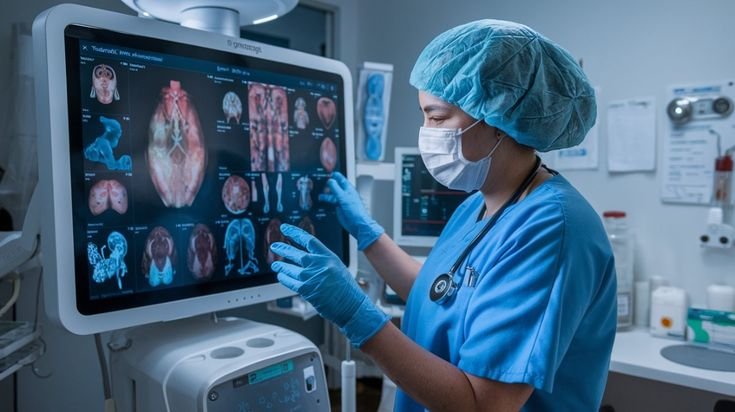
3D printing is creating new possibilities in modern healthcare. Customized prosthetics, dental implants, and surgical tools can now be printed quickly and affordably. This technology significantly reduces production costs.
In modern health care, 3D printing is also used for organ models that help surgeons practice complex procedures before actual operations. This enhances surgical outcomes and reduces risks.
- Custom-made prosthetics and implants
- Cost-effective medical equipment production
- Improved surgical preparation
- Faster innovation cycles
- Enhanced patient-specific solutions
Conclusion
Technology is undeniably revolutionizing modern healthcare, transforming it into a more efficient, accurate, and patient-focused system. From artificial intelligence and telemedicine to robotic surgery and big data analytics, digital innovation is redefining the global healthcare landscape.
As healthcare systems continue to evolve, modern healthcare will become more accessible, personalized, and technology-driven. Hospitals, professionals, and policymakers must embrace innovation to ensure sustainable growth and improved patient outcomes.